
From PHC to one Odoo platform Plastimyr runs from her phone.
Plastimyr swapped PHC for Odoo in 2022 and gained the bank reconciliation, Spanish tax compliance, big-box EDI and mobile access that its online and key-account channels were demanding from a 60-year-old family business. Four years on, the same platform handles 722 products, 20,681 customers and five warehouses, upgraded through to Odoo 18 Enterprise.
Sector
Manufacturing, baby products. Multi-channel.
Footprint
HQ Denia (Alicante), Spain. Five active system languages; intra-EU and extra-EU invoicing in production.
Scale
60+ years. 722 products, 1,131 variants. 20,681 customers. 5 warehouses. 21 pricelists. 7 active users.
Dynapps partner
Since 2022.
Backing
Family-owned, third-generation leadership under Vega Torro.
Before Dynapps stepped in.
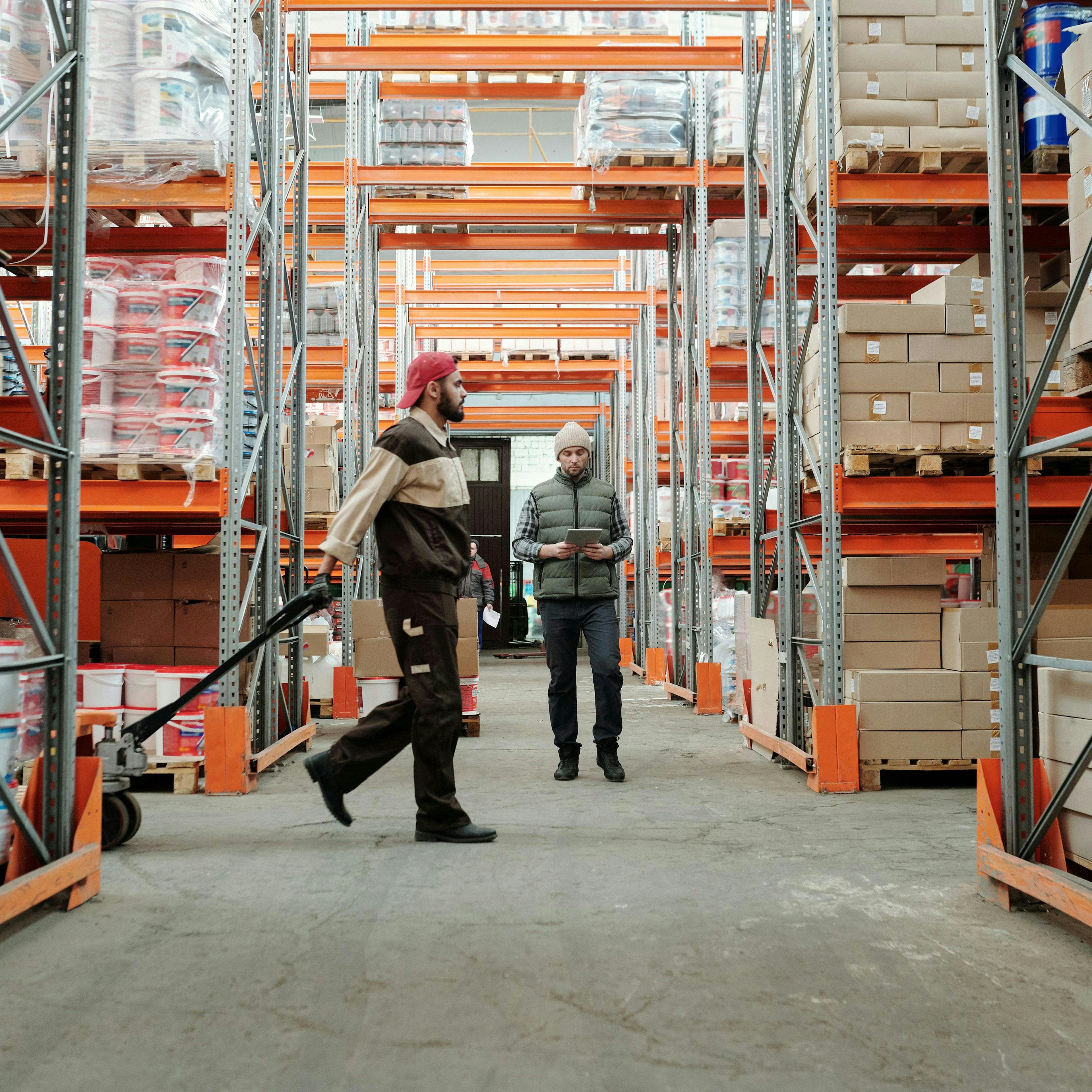
Plastimyr is a family-owned Spanish manufacturer and distributor of baby products with more than 60 years in market, headquartered in Denia on the Alicante coast and led by third-generation directora general Vega Torro. By early 2022 the company was growing on two fronts at once. The traditional channel of big-box retailers (grandes superficies) was tightening its data and compliance requirements (EDI feeds to chains such as Alcampo, Carrefour and El Corte Ingles, EAN codes on box labels, platform-specific invoice formats), and the online channel was scaling fast in parallel through Amazon and the direct web shop. PHC, the Portuguese-origin ERP that had served the previous generation, could not keep up with either. In April 2022 Vega Torro started the partner conversation.
The challenge
Where the cracks showed.
Month-end on online sales
Reconciling the bank statements against the online sales ledger was the slowest part of the close. Online accounting carries more lines, more payment methods and more refund logic than wholesale, and PHC did not have the bank reconciliation tools to absorb it.
The Spanish Tax Agency deadline
Each Spanish tax filing was a manual exercise. PHC did not provide the standard models the Agencia Tributaria expects, so the VAT (IVA) returns and related declarations were reconstructed every period from spreadsheets.
Why Plastimyr chose Odoo with Dynapps over its legacy PHC.
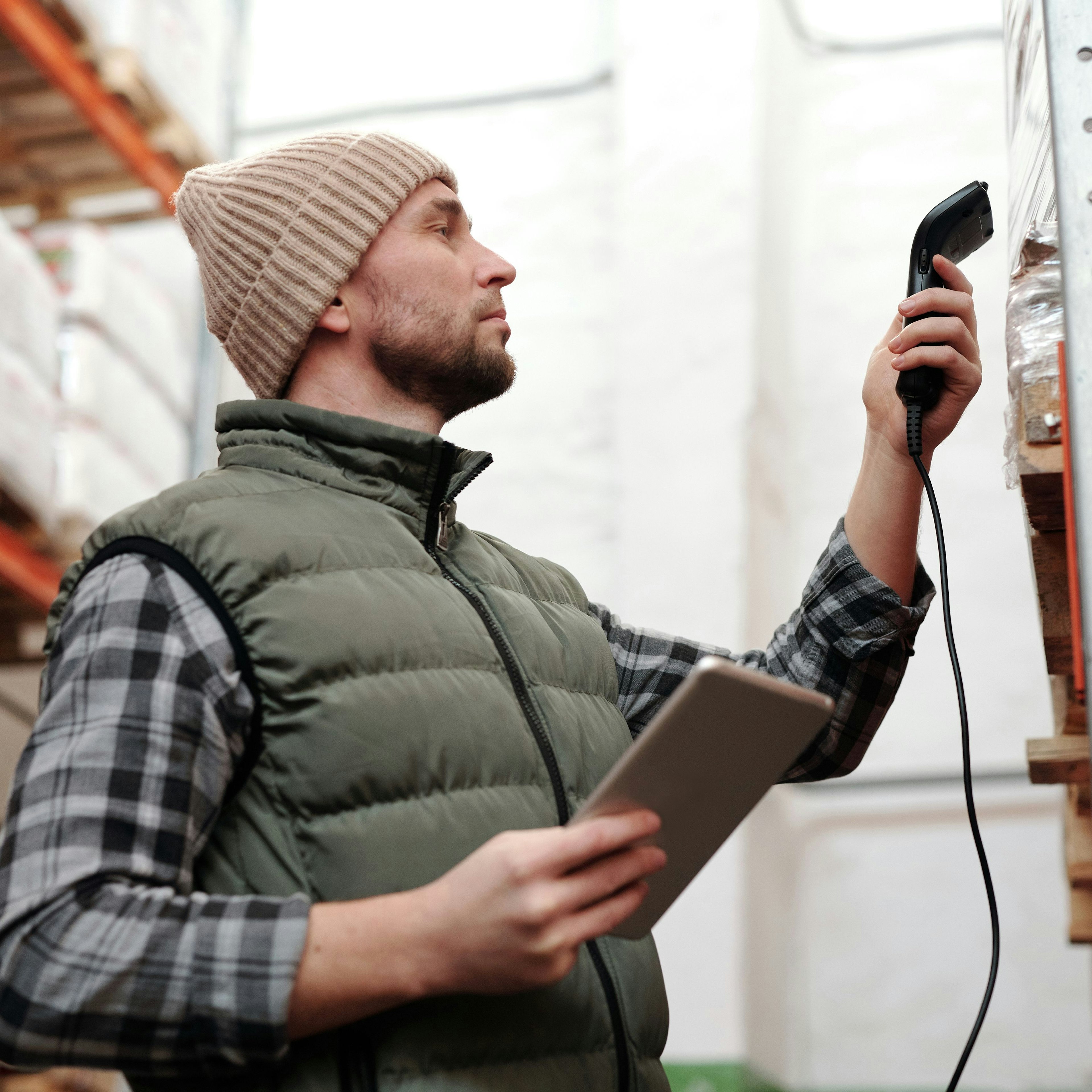
The decision was forced by the channels rather than by an internal mandate. The big-box retailers were imposing EDI feeds, EAN-coded box labels and platform-specific invoice formats that PHC could not produce, and the online channel through Amazon was growing faster than manual workarounds could cover.
Vega Torro is the first to say the choice of partner was not made on a feature comparison. As a family business looking at a generational digitalisation, what she wanted was proximity (cercanía) and people who would walk the road with the team. Plastimyr chose to move to Odoo with Dynapps on that basis.
How the rollout really happened
How Plastimyr moved from PHC to Odoo in 2022.
Early 2022
Kickoff with Dynapps. Analysis and configuration.
Mid 2022
Go-live on Odoo 14. PHC retired.
End 2022
Training completed across the customer team (eight users, seven office and one warehouse).
2023
Big-box EDI feeds and the Amazon connector iterated and stabilised in production.
2025
VAT Model 303 in steady use. Successive upgrades through to Odoo 18 Enterprise (last production invoice 1 June 2026).
What Plastimyr runs on Odoo: every channel on one platform.
On Odoo 14, later upgraded through to Odoo 18 Enterprise, Plastimyr stood up a single operational platform: Sales, Purchase, Inventory, Manufacturing, Invoicing, Accounting with the full Spanish localisation (EDI Facturae, Model 303), CRM, Helpdesk, Project, Planning, HR and the rest. The Amazon connector carried the online channel, a dedicated import module handled the cutover from PHC, and mobile access shipped from day one.
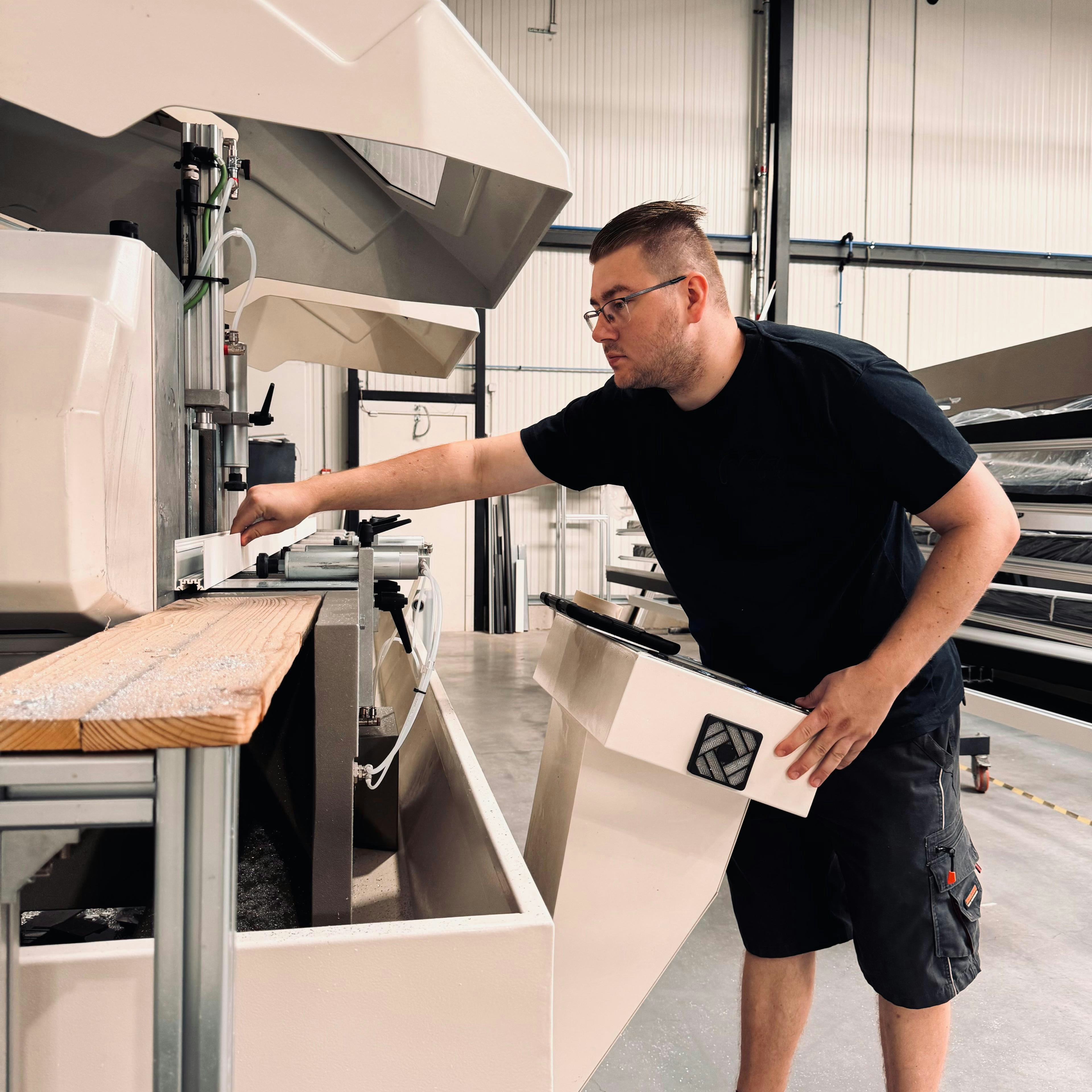
Kickoff April 2022 to go-live in summer-autumn 2022, around four to five months end-to-end. The customer team started at eight users, today seven active across five warehouses. On the Dynapps side, PM Paula Sanchez and lead consultant Jesus Lloret Quero, with a development team for EDI and connectors. Around 287 hours logged.
Modules: Sales, purchase, inventory, manufacturing, barcode, invoicing, accounting (spanish localisation: EDI Facturae, Model 303, MIS Builder, Account Financial Reports), CRM, helpdesk, project, planning, HR, calendar, contacts, discuss, Whatsapp, studio, sale Amazon, sale triple discount (OCA), Dynapps data import.
The discipline throughout.
Standard Odoo and OCA modules first, custom development only where the channel demanded it. CRM went in as plain standard Odoo; invoice templates were standard; triple-discount logic came in via the OCA module sale_triple_discount. The only meaningful custom development was the EDI to big-box retailers. Where the business needed something the standard apps did not give, the team reached for Studio rather than code: 264 x_studio fields in production, no bespoke modules to maintain.
Making big-box EDI survive three retail IT departments.
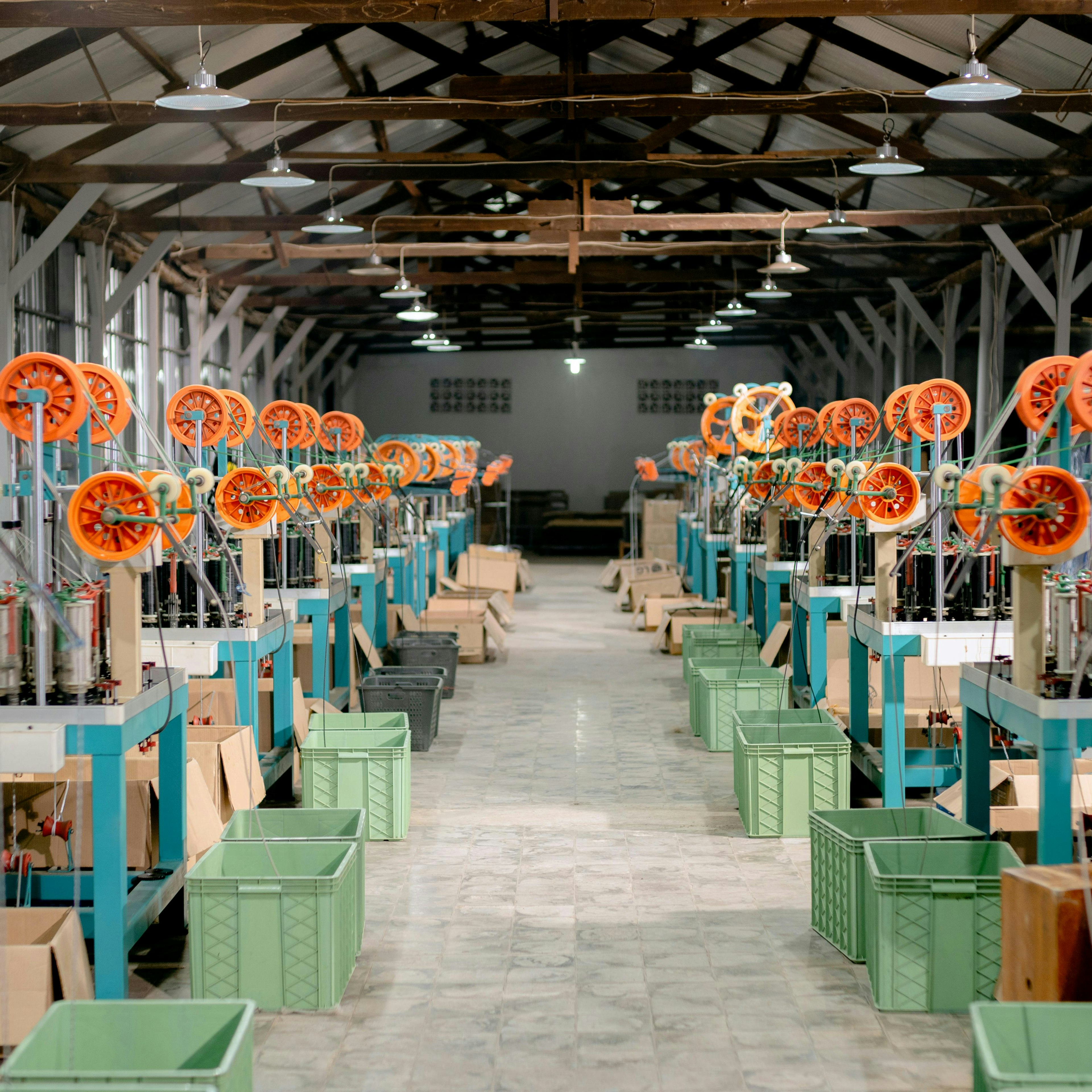
The hard part was the big-box EDI. Through 2023, the Dynapps team and Plastimyr iterated in staging with Alcampo, Carrefour and El Corte Ingles, one platform at a time. The friction was not architectural, it was operational. Spanish characters (accents, ñ) were breaking lines on incoming feeds. PHC and Odoo did not map the same fields to the same places: the order number had to come from client_order_ref rather than the Odoo sequence; delivery numbers, section numbers and per-line VAT all needed dedicated handling. Each big-box retailer had its own format constraints. The project did not ship one EDI build, it shipped a set of formats and field mappings that survived contact with three different retail IT departments. Months of iteration before any of it ran clean in production.

It has been months of hard work, but thanks to that family feel and to good work on both sides, we have come through. With a lot, a lot of work.
Vega Torro
Managing director at PlastimyrAn EDI playbook for Spanish big-box retail.
The Plastimyr engagement left the team with an EDI playbook for Spanish big-box retail: PHC-to-Odoo invoice field mappings, special-character sanitising on outbound EDI lines, and per-platform formatting for Alcampo, Carrefour and El Corte Ingles. The playbook is reusable for engagements with the same retailers.

The numbers
By 2026, six sales channels run on a single, continuously upgraded Odoo platform.
What PHC could not hold together, Odoo now runs as one operation. Wholesale, key-account, retail, online and intra- and extra-EU invoicing share one ledger, customer base and stock across five warehouses, with bank reconciliation, Spanish tax models and big-box EDI handled inside the standard close. The platform has carried that load through successive upgrades to Odoo 18 Enterprise without re-platforming.
20,681
customers on one Odoo platform today, up from ~100 in 2022.
722/1,131
products and variants on one platform, up from ~200 in 2022.
18,108
invoices across all channels; ~6,800 per year in 2024-2025.
11,582
Amazon orders via the sale_amazon connector, alongside EDI to three big-box retailers.
From ‘which workaround?’ to ‘which switch in Odoo?’
Plastimyr’s commercial rhythm runs on the speed of social media. Vega Torro tells the story herself: on a Monday morning the team agrees a plan, and by Thursday an influencer has posted something that means a colour or a product has to change. The shift is from running a 60-year-old family company on a system built for the channel mix it used to have, to running it on a system that absorbs whatever the market hands her on a Tuesday. The default question moved from “which workaround do we need for this channel’s requirements?” to “which switch do we flip inside Odoo?”, and the answer is reachable from her phone in a meeting rather than from a desk after the close.
If this familiar, let’s talk.
Wherever your business is heading and wherever it's getting stuck, an expert who has run this kind of work is the right person to start with, before you commit to a direction or a platform.
Go deeper
Read further.
Implement Odoo
From blueprint to go-live, built around how your industry actually operates.
Untangling disconnected systems
Production in one system. CRM in another. Finance in a third. A technology landscape nobody designed, where workarounds have piled up for years until reconciling the numbers takes more time than the work it reports on.
Manufacturing
Production floor, finance, and supply chain in the same language.
More stories like this
- Food & beverage
Food & beverage
Cazes: Odoo for point-of-sale, SAP for consolidated financial statements
Cazes moved its boutique and wine-fair sales onto Odoo Point of Sale, retired a clumsy SAP Fiori till, and left accounting, invoicing and alcohol duties on the Advini group's SAP S/4.
- Manufacturing
Manufacturing
How Nobi tracks every smart lamp from the Belgian assembly line to the care room.
A fast-growing health-tech manufacturer tried to stand up Odoo itself, hit a wall on serial-number traceability, and turned to Dynapps to clean up the setup and rebuild the flow, from component picking to a fully documented, serial-tracked finished product.
- Retail & wholesale
Retail & wholesale
Ergonomio replaced a twenty-year custom FileMaker webshop with one Odoo platform.
Moving from a bespoke FileMaker system to standard Odoo meant rebuilding every product record and letting go of a two-decade-old way of working.
- Energy & utilities
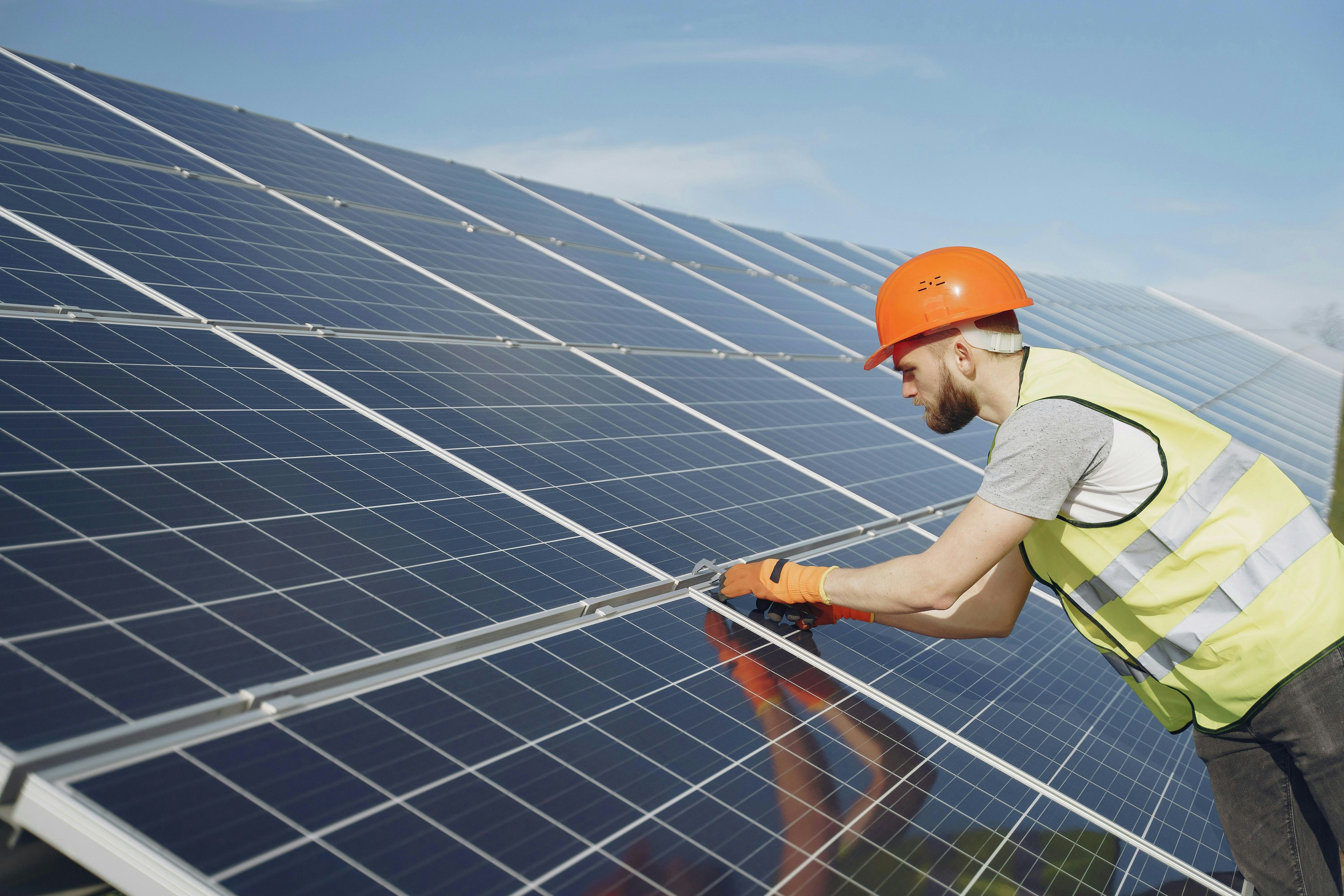
Energy & utilities
One Odoo platform for a multi-company energy consultancy: Tunérgia replaces Telegram, Excel and scattered tools
After sixteen years on paper, Excel and Telegram, Tunérgia put its multi-company energy consultancy onto one Odoo platform with Dynapps: leads, projects, signatures and surveys in one traceable place.
- Financial services

Financial services
How Régie Châtel runs every PPE assembly on one platform
A Swiss family agency runs more than 100 condominium administrations on a single custom platform built with Dynapps. It replaced a workflow of Word mail-merges and Excel trackers.
- Food & beverage
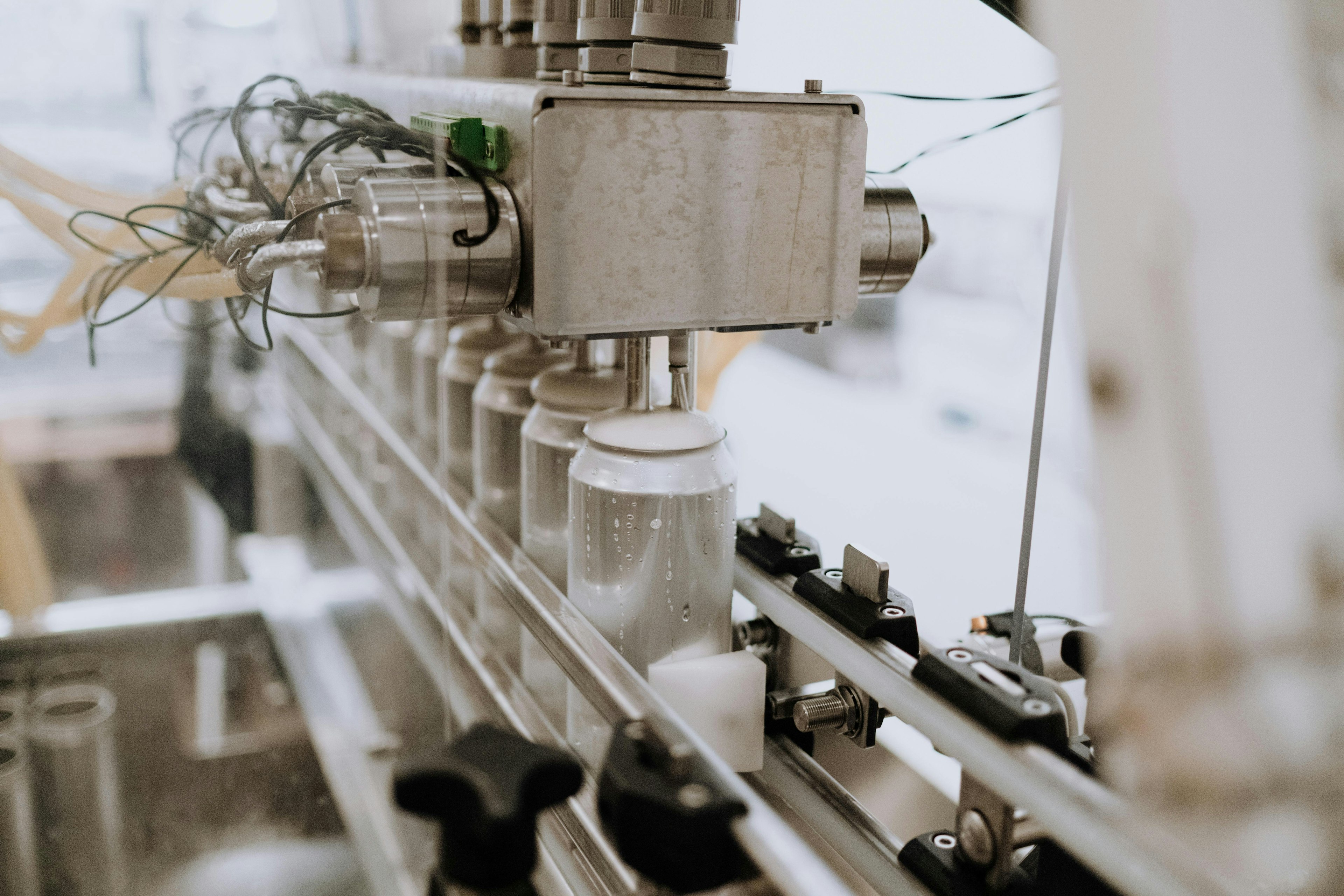
Food & beverage
One Odoo template across 14 Puratos production sites in four continents
Belgian family-owned ingredients manufacturer, 75 production units across 55 countries. Kept SAP at the largest sites; built one Odoo template for the smaller acquisitions.
- Financial services

Financial services
One Odoo backbone, from 100 to 36,000 leased bikes.
Cyclis Bike Lease grew from a four-founder startup in Hasselt to 36,000+ leased bikes. Dynapps replaced the founders’ DIY setup with a single Odoo platform that scales with the business.
- Laboratories
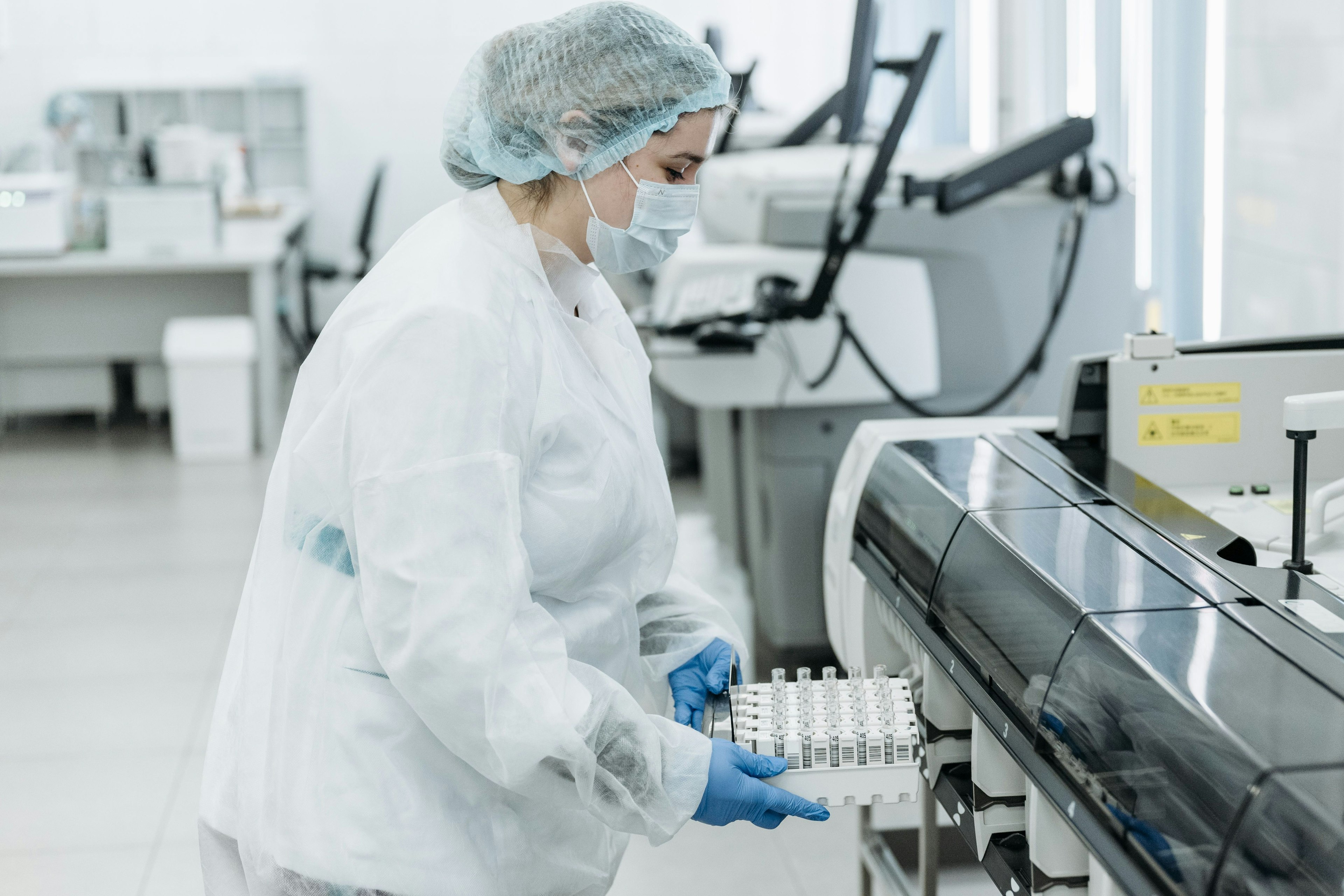
Laboratories
Seven specialised labs on one integrated Odoo and LIMS platform
Seven specialised lab departments across Oman, 65,000 samples a year. The group replaced a legacy LIMS and added an ERP on one integrated Odoo and LIMS platform in four months.
- Manufacturing
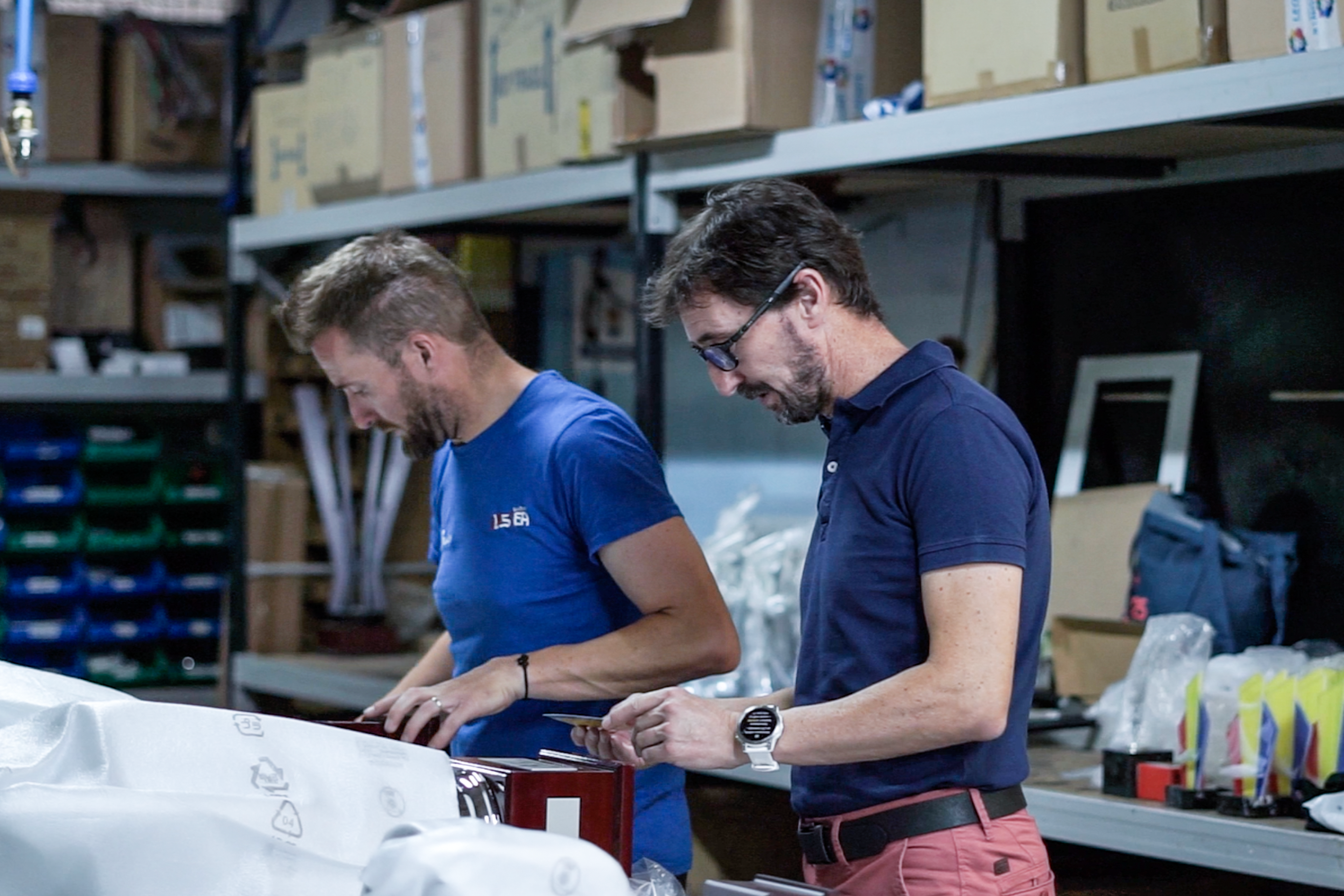
Manufacturing
From hundreds of scattered files to one screen per customer, how Todotrofeo rebuilt sales on Odoo
A family-run Spanish maker of personalised trophies and medals moved off a basic tool onto Odoo with Dynapps. One screen per customer now links enquiry, quote, order and artwork.
- Energy & utilities
Energy & utilities
Sensorfact replaced gut-feel purchasing with Odoo
Dutch climate-tech scale-up, 200+ people serving 1,600 industrial customers in 40 countries. Odoo replaced gut-feel purchasing with one system for purchase, inventory, accounting and sales in five months.