
One Odoo backbone, from 100 to 36,000 leased bikes.
How a Belgian bike-leasing pioneer scaled its operations more than 300 times on the same Odoo platform, by treating digitalisation as change management, not technology.

Sector
Services, bike leasing as employer benefit.
Footprint
Belgium, Hasselt.
Scale
36,000+ bikes, €48M, ~40 employees.
Dynapps partner
Since 2017.
Backing
Founder-led since 2014.
Before Dynapps stepped in.
Cyclis Bike Lease, the Belgian bike-leasing operator now running a fleet of more than 36,000 bikes, started as a business-school assignment. In early 2014, four co-founders (Bart Criel, Joep Kempen, Guy Kempen and Geoffrey Van der Holt) incorporated the company in Hasselt to test a single proposition: bike leasing as an employer benefit. The market didn’t yet exist. The founders spent the first two years on product-market fit, opening accounts with SD Worx, AXA and Van Hout, persuading bike dealers used to faxes and paper to come along. The choice they were about to make would set the technical backbone for everything that followed.
The challenge
Where the cracks showed.
The fax question
Cyclis depended on a national network of independent bike dealers. In the early years dealers asked whether Cyclis had a fax to receive orders; email was new to some. The sales channel ran on paper that didn’t connect to anything.
The 2.5-person ERP team
Bart from Cyclis chose Odoo deliberately and configured it himself, half-time. It worked for hundreds of bikes. But non-core work (server security, infrastructure) crowded out the rest. Two-and-a-half people could not run the company and the ERP at once.
The next thousand bikes
Every new lease added an insurance flow, an end-of-contract trigger, and a customer record that had to live for years. Hand-configuration with the team Cyclis had was going to break.
Why Cyclis chose an Odoo integration partner.
By 2016, growth had a deadline. The fleet was approaching the threshold where DIY configuration would stop scaling, and CEO Joep Kempen moved to find a partner. Three paths on the table:
Keep buying support directly from Odoo
The Cyclis team had already hit the limit of what software-maker support could solve at their stage.
Hire internal Odoo expertise
Stayed in the running. Lost on speed-to-scale math; building in-house Odoo competency would have pulled founders off commercial work for too long.
Find an Odoo integration partner
Joep landed on Dynapps after a structured search. The reasons he gives now are unromantic: head office near Hasselt, a team big enough to grow with Cyclis, and engineers who would learn the processes fast enough to keep pace with the company.

How the rollout really happened
How Cyclis scaled Odoo from a self-build to 36,000 bikes.
2015
Self-implementation on Odoo, run by Bart Criel from Cyclis.
2017
Partnership with Dynapps begins; first Odoo e-commerce implementation goes live.
2020
Bi-weekly onsite consulting cadence begins, just before COVID, a head start while competitors freeze.
Early 2023
Operations split into projects and support; each track gets a consultant onsite one day a week, with weekly follow-ups
End 2023
Replacement-bike fleet ships as a standard Odoo module, a market first, on a backbone now carrying 36,000+ bikes.
2026
Peppol e-invoicing readiness prepared ahead of the 1 January 2026 mandate.
What Cyclis runs on Odoo: the whole lease lifecycle.
Cyclis runs its entire lease lifecycle on Odoo: quotations and orders, order tracking, invoicing, e-commerce, field service, and the insurance workflows that handle daily theft and accident cases. What started as a configuration job around a handful of bike models is now an operating backbone that absorbs new products without redesign. The first major Odoo work was the e-commerce platform in 2017, a focused ~€15k scope: Mathias Tielemans and Axel on the Dynapps side, roughly five people on the Cyclis side. As the platform expanded, so did Cyclis's own team. One founder configuring Odoo half-time became a dedicated IT group (full-stack engineers, application support, infrastructure, business analysts), key users embedded per functional team, and a full finance stack (CFO, controller, accounting) sitting directly in the Odoo flows.
Modules: quotations & orders, order tracking, invoicing, e-commerce, field service, insurance workflows.
The discipline throughout.
Out-of-the-box Odoo, configured for scale before scale arrived. Dynapps didn't just solve the 2017 problem; the team asked whether the same approach would still work at 30,000 bikes. As Odoo's standard functionality has matured, much of the early custom layer has retired in favour of standard modules.
Why Cyclis hardest challenge was change management, not Odoo.
The hardest part wasn't the platform. It was that Cyclis, as it scaled from four founders to forty employees, kept building processes in Odoo without involving the people who would actually run them.
Cyclis hit this wall more than once. Each iteration shipped technically; each one also surfaced operational habits the founders hadn't seen, because the people closest to the work weren't in the room when the design was decided. The friction was a habit of how change was managed, not a bug in Odoo or a gap in delivery. The lesson Bart's team now names openly: involve operational colleagues earlier. A digitalisation effort is a change-management effort first.

Digitalisation projects are not technology projects. They are change-management projects.

Bart Criel
Co-founder at Cyclis Bike LeaseThe onsite day is for the future.
What Dynapps takes from this engagement is the long arc, and one practice in particular. The bi-weekly onsite consulting cadence began at Cyclis just before COVID, ran through the pandemic, and gave Cyclis a head start at a moment when most competitors froze. In 2023, when Cyclis split operations into projects and support, each track got a Dynapps consultant onsite one day a week, with weekly follow-ups. The onsite day is for the future, not the present, where the two teams work through what's coming next before it hits the platform.
The deeper shift is that the relationship now runs on more than a service contract, and the same cadence shapes how Dynapps engages with customers whose processes change faster than a quarterly cycle can absorb.

The numbers
New products now ship in days, not months.
Two recent product moves show what the backbone unlocks. In late 2023 Cyclis launched a replacement-bike fleet for customers whose bikes are in for service, still a market first, and it shipped because a standard Odoo module plugged into the existing setup. The second move is regulatory: when Belgium confirmed Peppol e-invoicing would become mandatory on 1 January 2026, the team prepared it inside Odoo from 2023, ran the full test cycle, and aligned customers and vendors so the go-live was a calendar event.
36,000+
bikes on one Odoo backbone (2023).
€48M
revenue in 2023, on ~40 employees.
2
people handle all insurance flows, because every step is digital.
7+
years on the same platform, from a few hundred bikes to 36,000+.
From ‘next thousand bikes’ to ‘what’s next’.
The shift is in what Cyclis can now do without asking the platform’s permission. In 2017 the question was: can our Odoo configuration handle the next thousand bikes? By late 2023 it had become: what do we want to ship next? The replacement-bike fleet launch and the Peppol readiness for 2026 are the answers in miniature. The backbone holds; the team focuses on the product, not the plumbing.
If this situation sounds familiar, let’s talk.
Wherever your business is heading and wherever it's getting stuck, an expert who has run this kind of work is the right person to start with, before you commit to a direction or a platform.
Go deeper
Read further.
Implement Odoo
From blueprint to go-live, built around how your industry actually operates.
Scaling for the next phase of growth
The business is ready to grow. The systems are not. A PE-backed trajectory, new markets, acquisitions ahead, and administrative overhead that drags on the very growth it should be enabling.
Financial services
Onboarding, billing, and reporting, on one platform.
More stories like this
- Food & beverage
Food & beverage
Cazes: Odoo for point-of-sale, SAP for consolidated financial statements
Cazes moved its boutique and wine-fair sales onto Odoo Point of Sale, retired a clumsy SAP Fiori till, and left accounting, invoicing and alcohol duties on the Advini group's SAP S/4.
- Manufacturing
Manufacturing
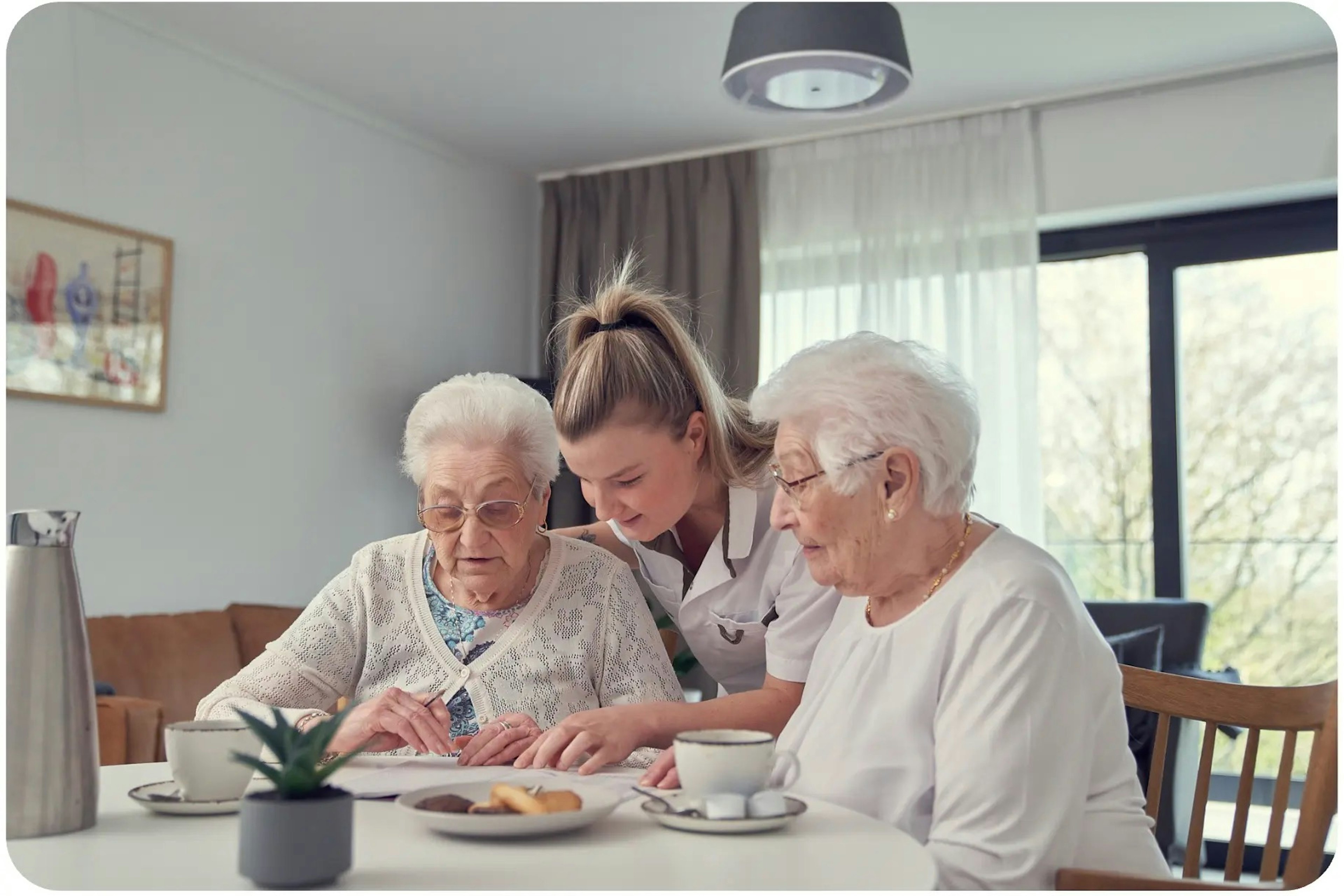
How Nobi tracks every smart lamp from the Belgian assembly line to the care room.
A fast-growing health-tech manufacturer tried to stand up Odoo itself, hit a wall on serial-number traceability, and turned to Dynapps to clean up the setup and rebuild the flow, from component picking to a fully documented, serial-tracked finished product.
- Retail & wholesale
Retail & wholesale
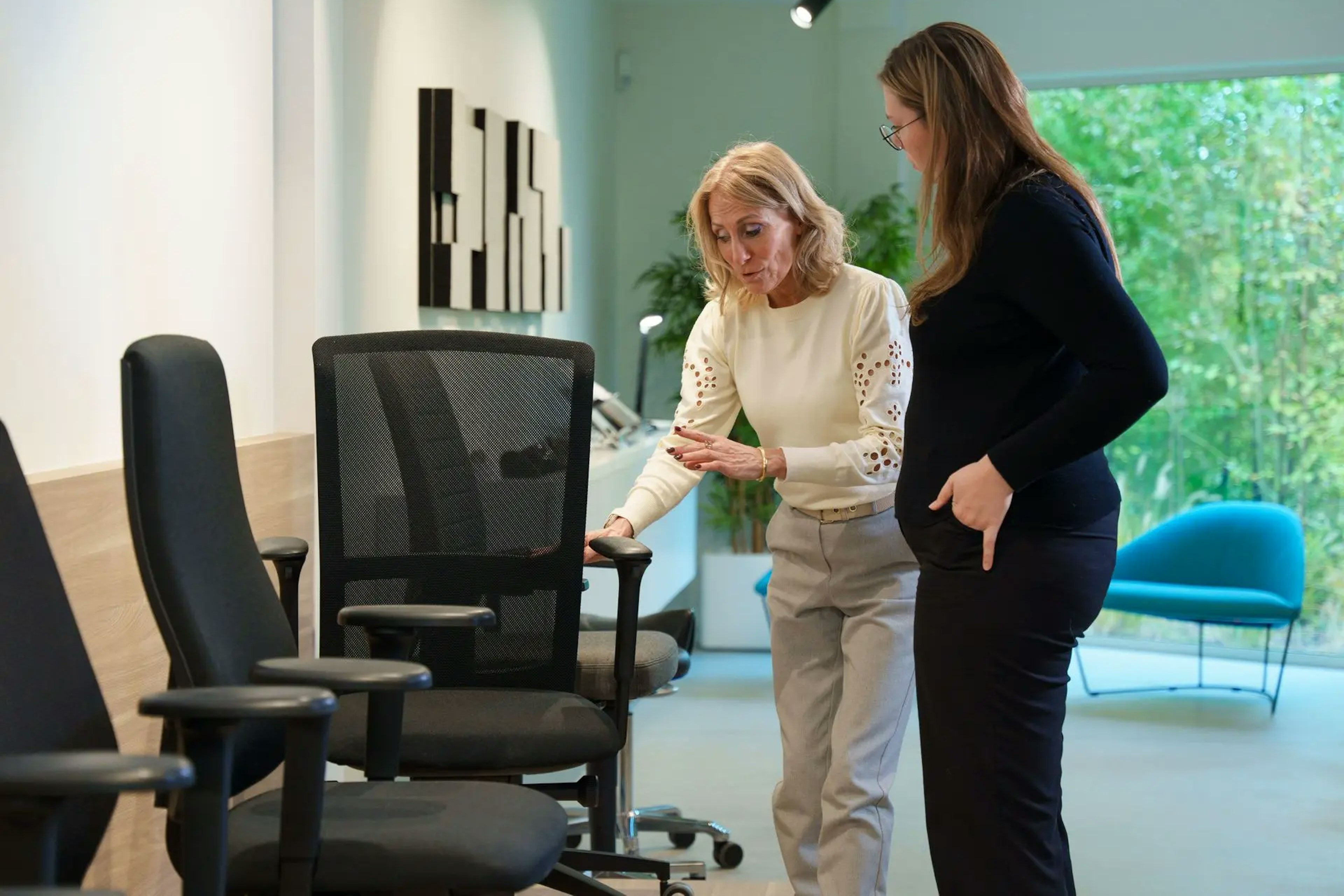
Ergonomio replaced a twenty-year custom FileMaker webshop with one Odoo platform.
Moving from a bespoke FileMaker system to standard Odoo meant rebuilding every product record and letting go of a two-decade-old way of working.
- Energy & utilities

Energy & utilities
One Odoo platform for a multi-company energy consultancy: Tunérgia replaces Telegram, Excel and scattered tools
After sixteen years on paper, Excel and Telegram, Tunérgia put its multi-company energy consultancy onto one Odoo platform with Dynapps: leads, projects, signatures and surveys in one traceable place.
- Financial services

Financial services
How Régie Châtel runs every PPE assembly on one platform
A Swiss family agency runs more than 100 condominium administrations on a single custom platform built with Dynapps. It replaced a workflow of Word mail-merges and Excel trackers.
- Food & beverage
Food & beverage
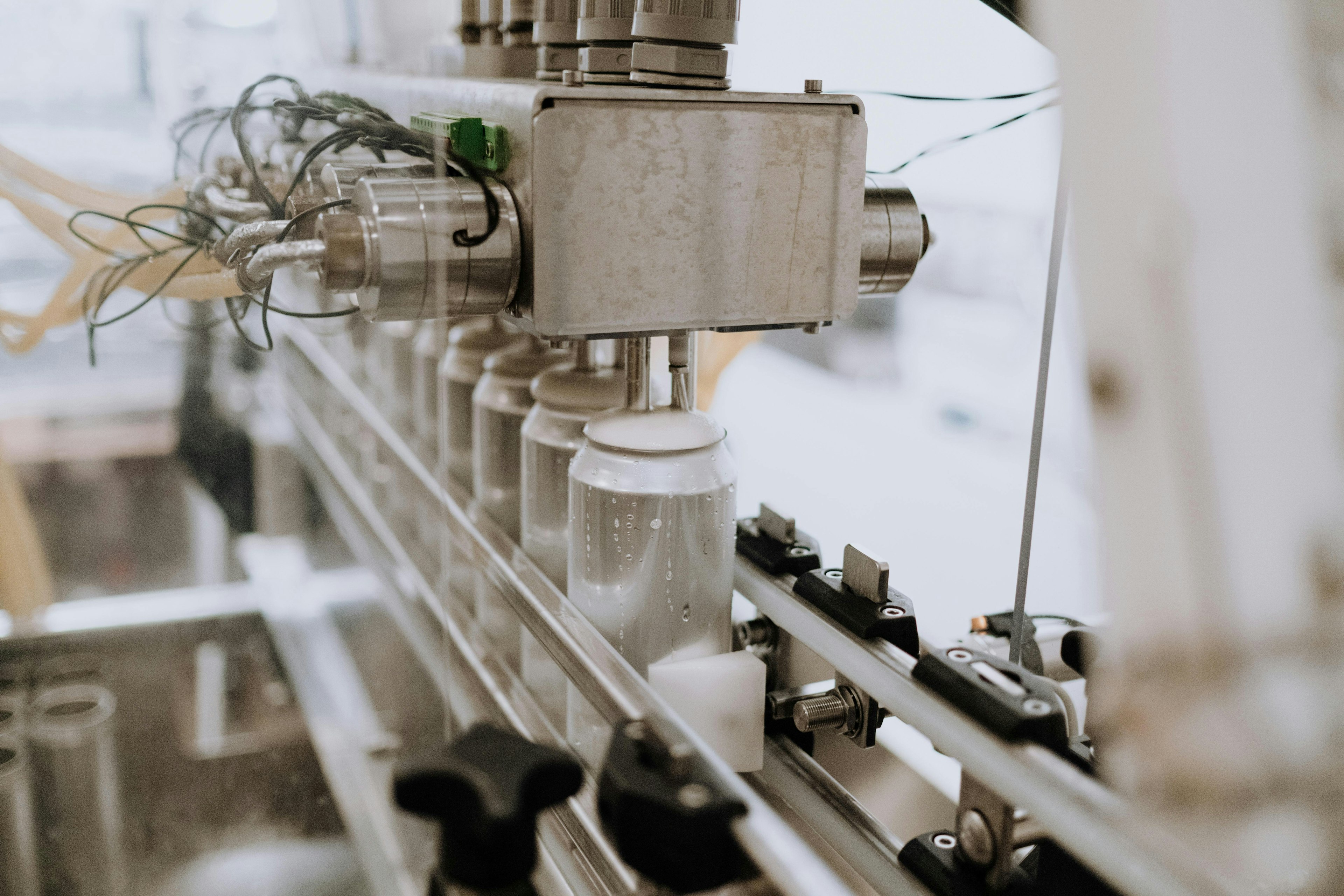
One Odoo template across 14 Puratos production sites in four continents
Belgian family-owned ingredients manufacturer, 75 production units across 55 countries. Kept SAP at the largest sites; built one Odoo template for the smaller acquisitions.
- Laboratories
Laboratories
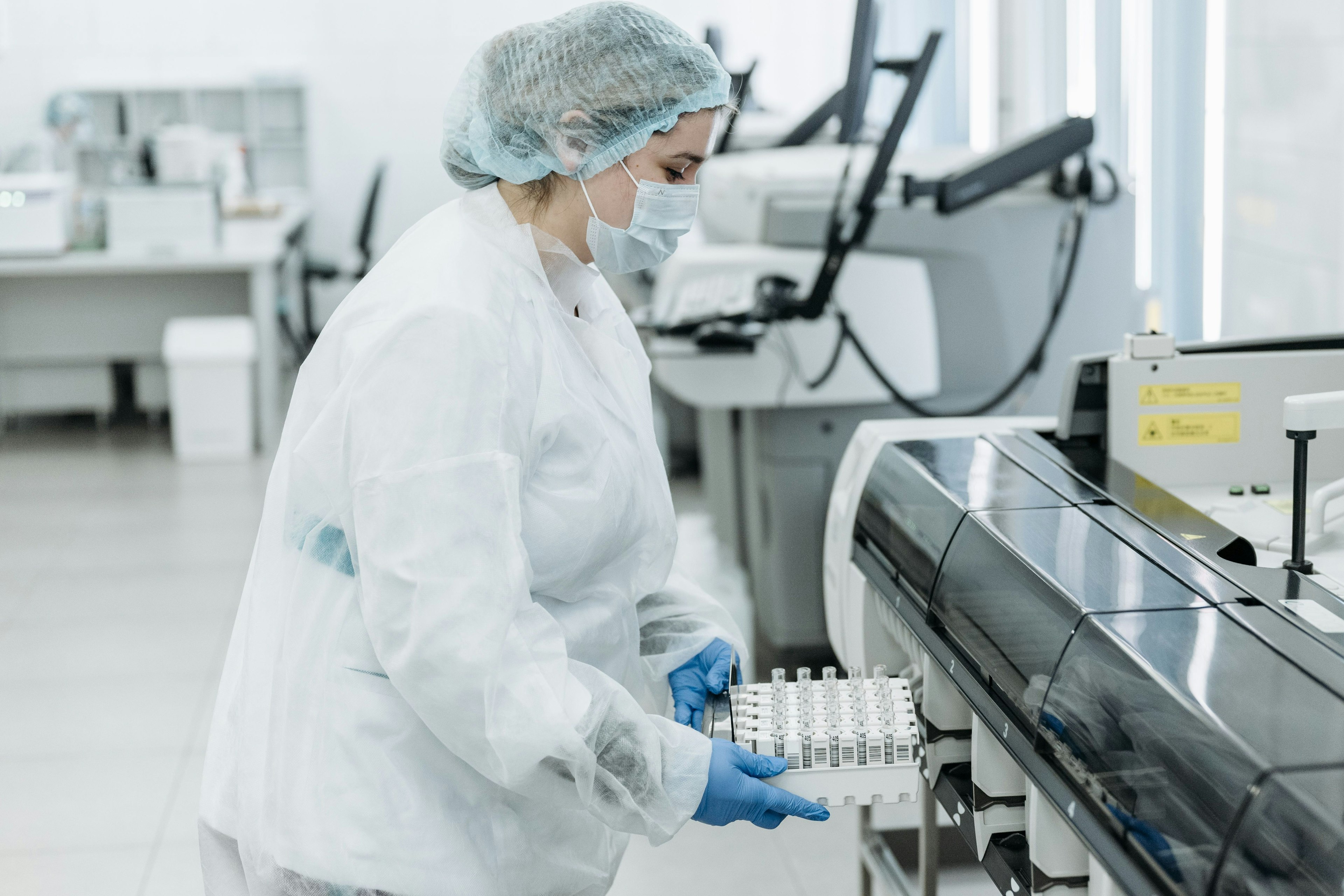
Seven specialised labs on one integrated Odoo and LIMS platform
Seven specialised lab departments across Oman, 65,000 samples a year. The group replaced a legacy LIMS and added an ERP on one integrated Odoo and LIMS platform in four months.
- Manufacturing
Manufacturing
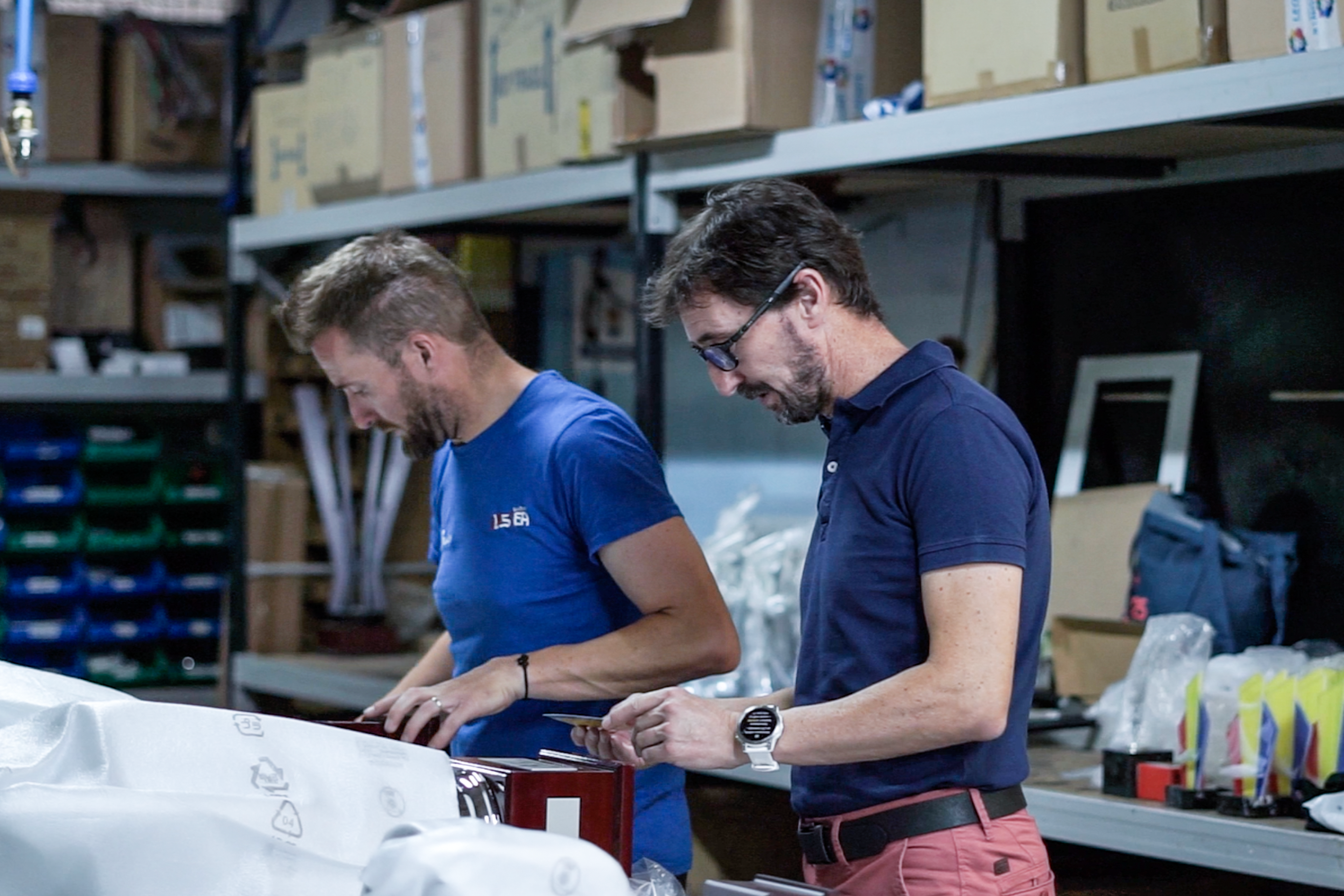
From hundreds of scattered files to one screen per customer, how Todotrofeo rebuilt sales on Odoo
A family-run Spanish maker of personalised trophies and medals moved off a basic tool onto Odoo with Dynapps. One screen per customer now links enquiry, quote, order and artwork.
- Energy & utilities
Energy & utilities
Sensorfact replaced gut-feel purchasing with Odoo
Dutch climate-tech scale-up, 200+ people serving 1,600 industrial customers in 40 countries. Odoo replaced gut-feel purchasing with one system for purchase, inventory, accounting and sales in five months.
- Retail & wholesale

Retail & wholesale
One Odoo across sales, purchasing, accounting: four-month cutover
Swiss distributor of corporate clothing and promotional products, with 13 users on Odoo. One platform now covers sales, purchasing and accounting, ending a multi-year search.