
How Nobi tracks every smart lamp from the Belgian assembly line to the care room.
A fast-growing health-tech manufacturer tried to stand up Odoo itself, hit a wall on serial-number traceability, and turned to Dynapps to clean up the setup and rebuild the flow, from component picking to a fully documented, serial-tracked finished product.
Sector
Manufacturing
Footprint
Production in Belgium (Antwerp); sales and stock across multiple countries, shipping to the UK, the US and beyond via distributors.
Scale
~80-100 employees; close to a thousand distinct components in stock alongside finished products.
Dynapps partner
Since 2023.
Before Dynapps stepped in.
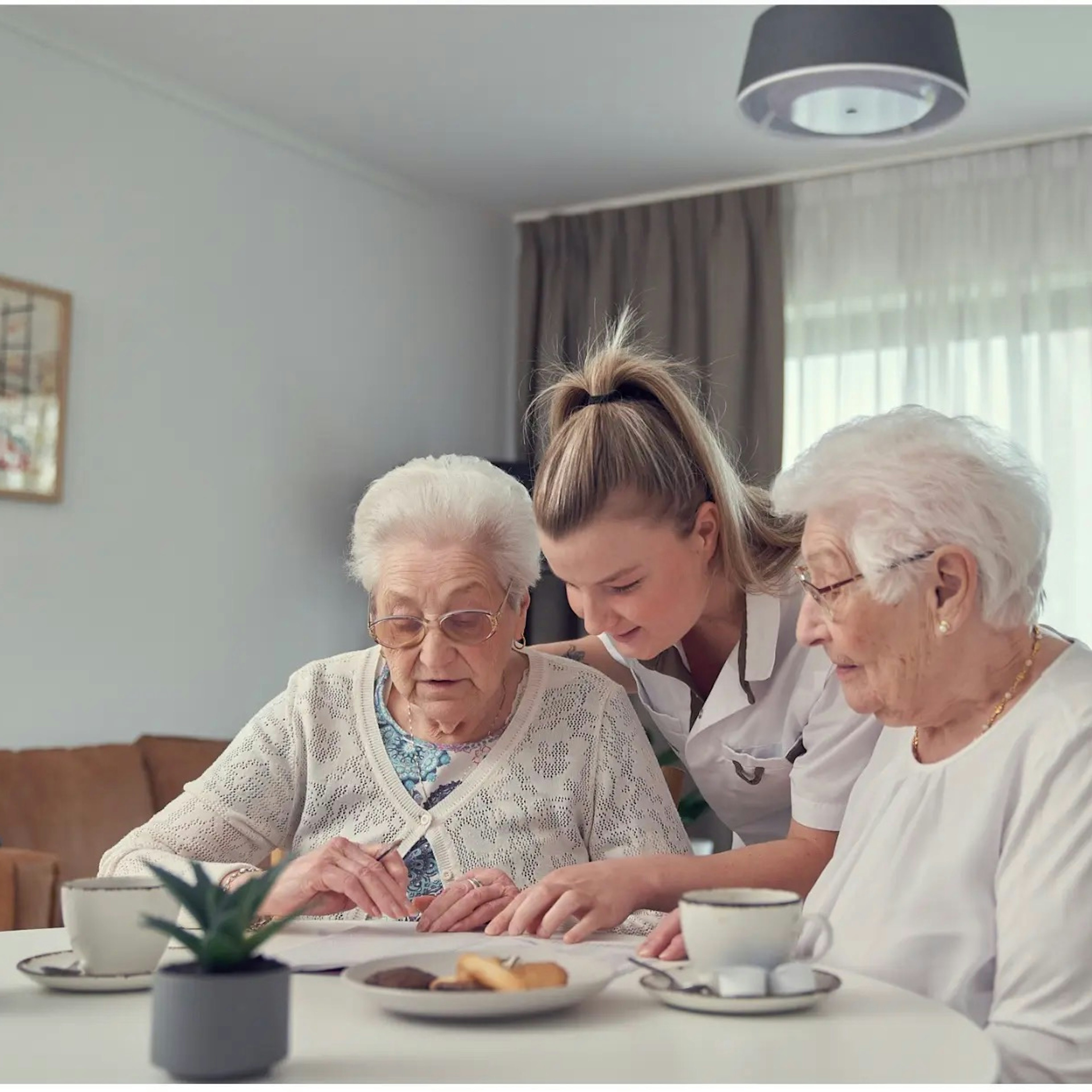
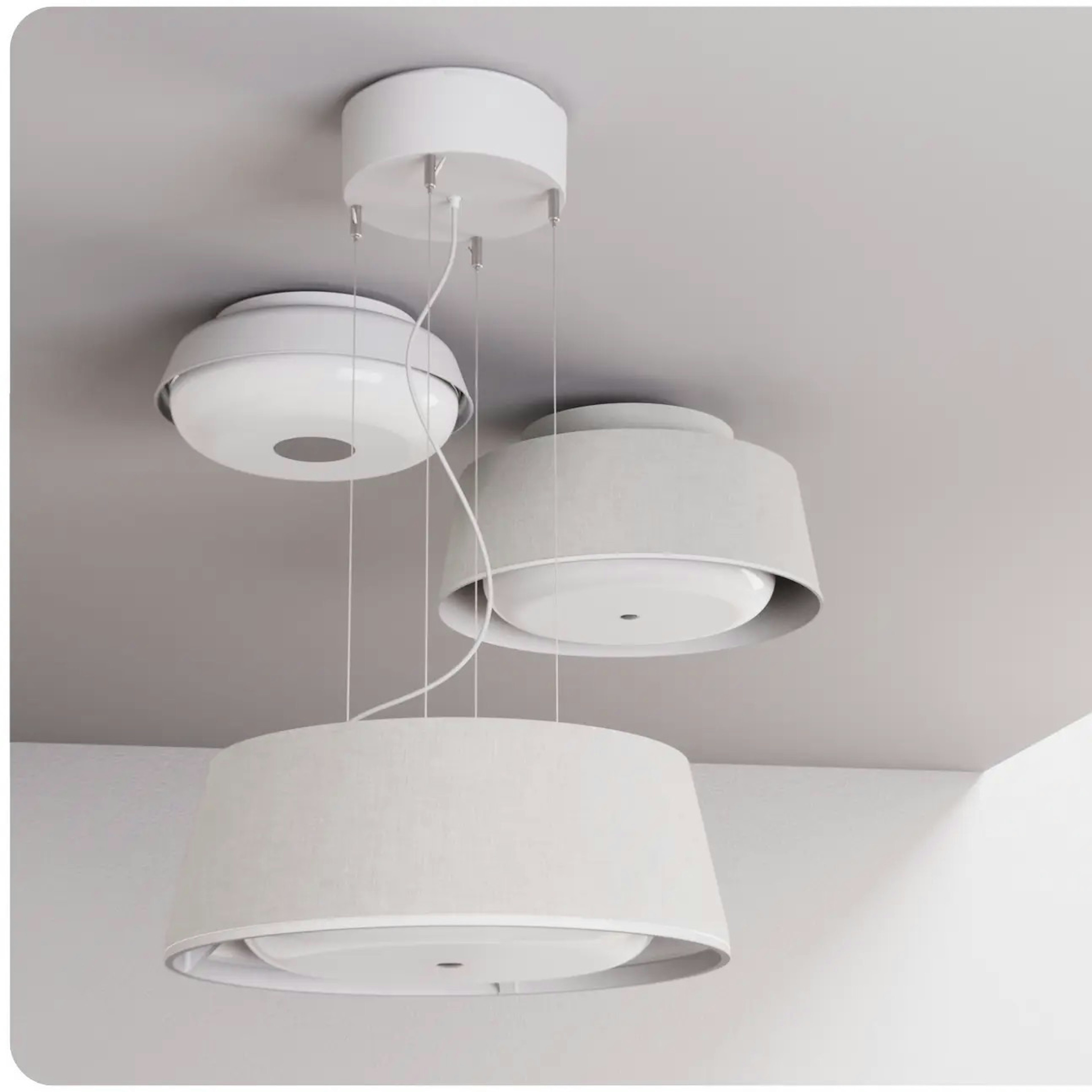
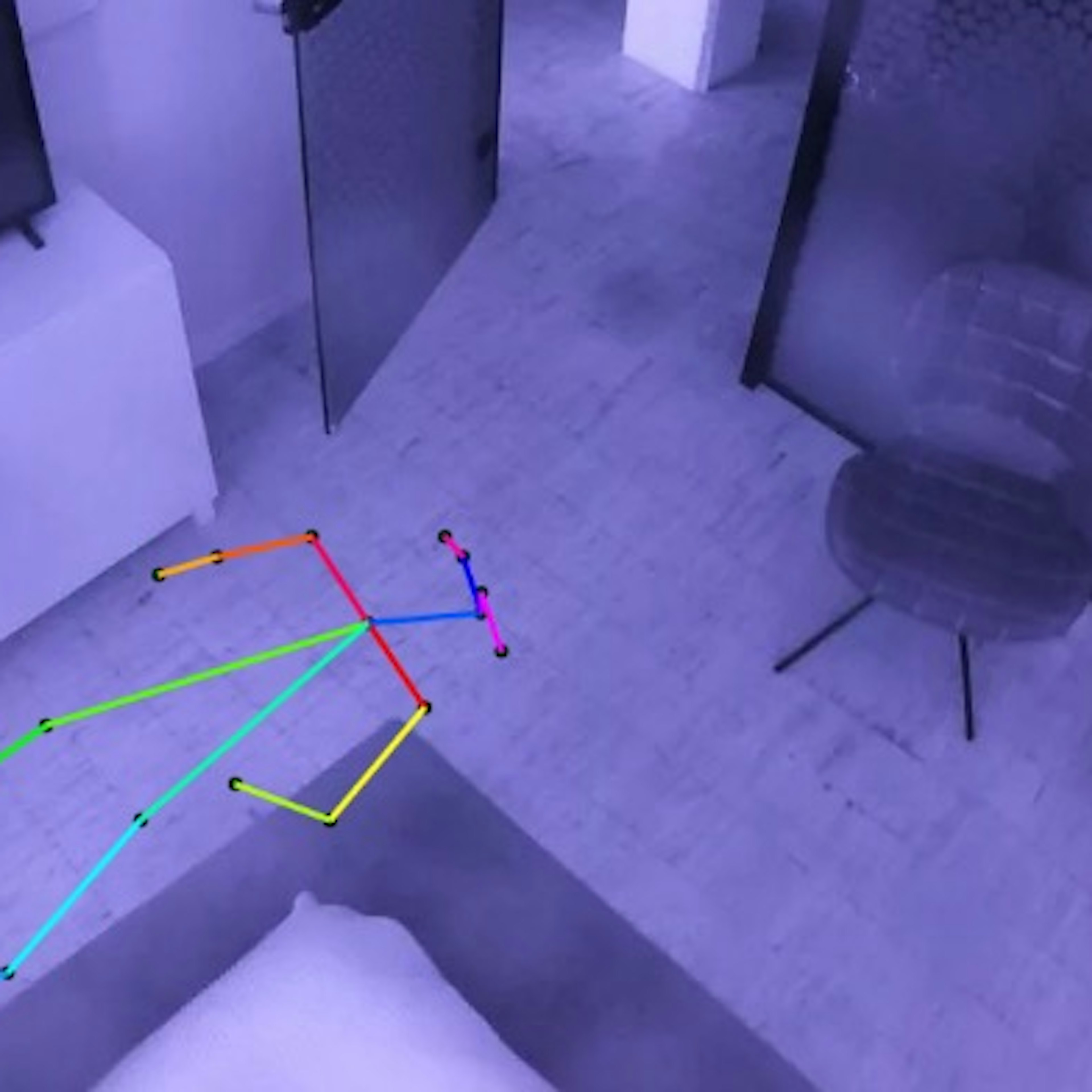
Nobi is a Belgian health-tech company that makes a smart lamp for care homes. The lamp watches over residents, detects when an older person falls or is about to fall, and alerts nursing staff on the spot. Falls are the leading cause of hospitalisation in residential care, and the real danger is not the fall itself but lying too long on the floor. Nobi reports that the lamp cuts fall-related hospitalisations by up to 75%.
From the start, Nobi chose to build the product itself, in Belgium, to control quality and keep development and production close together. Every lamp carries a unique serial number, connects to the Nobi cloud on installation, and is tracked for the rest of its life. That ambition quickly outgrew spreadsheets. Nobi needed an ERP that could run production and also carry everything that hangs around the product afterwards: helpdesk, software support, marketing. With prior, positive experience of Odoo inside the team, the company moved fast and committed to it.
The challenge
Where the cracks showed.
Returns that broke the timeline
Nobi first implemented Odoo on its own, with a small team that had an IT background. Basic configuration worked. Then products began coming back or moving to a different customer, and the product life cycle no longer added up. The company was stuck on serial numbers, forced to either duplicate them or hack the software.
A warehouse in England, a customer in America
Stock would be sent to the UK warehouse, then turn out to be needed in the US, routed through a distributor to an end customer. Building the logistics chain was one thing; keeping the ERP honest about what sat where, who owned it and who had originally delivered it was another matter entirely.
Month-end was a nightmare
At its worst, staff were kept busy doing little else than hunting for where a serial number was and which warehouse held it. With close to a thousand distinct components spread across many physical and logical stock locations, the monthly and quarterly stock counts became, quite literally, a nightmare.
Cross-border growth turned the workaround into a wall.
As Nobi scaled production in Belgium and began shipping across borders, the self-built Odoo could no longer keep the product life cycle straight. The ERP was no longer just an operational inefficiency; it had become the factor that would decide whether the company could keep growing internationally at all. Two paths on the table:
Keep building Odoo in-house
Cost: no external licence, but continuous internal engineering time and recurring breakage on serials, returns and cross-border stock. Every workaround (duplicating serials, patching the software) moved the problem instead of solving it, and the team could not fully document its own processes to scale.
Re-implement Odoo with Dynapps
Why Odoo won: keep the platform the team already knew and extend it rather than replace it. A hands-on partner would reset the DIY setup and rebuild the flow to scale with the factory preserving the team's Odoo experience instead of paying the licence and implementation-time premium of a rip-and-replace.

How the rollout really happened
The reset that brought order back.
Late 2022
Nobi runs a self-built Odoo. Basic setup works; serial-number traceability keeps breaking. First contact with Dynapps dates to late 2022.
2023
The support relationship starts and becomes regular, with a Dynapps consultant increasingly on site.
2024
the re-implementation effort proper. Because Nobi was already live and could not pause, production and deliveries had to continue, the work happened on a moving target: analyse the mis-configuration, then reconfigure and write scripts that reset the platform to a correct baseline. There was no classic go-live; the system was always live, so progress came as gradual, visible improvement.
2025
a new Odoo version introduces a changed serial-number model, serials are no longer company-specific, cleaner in principle but with real transition challenges on live data. Later in the year the project matures into Dynapps managed support.
Every lamp, traceable from component to care room.
The whole flow runs in Odoo: component order picking, assembly, serial and lot tracking across physical and logical warehouses, documented quality control, purchasing, sales, helpdesk and marketing, plus the integration that pushes every serial to Nobi's own cloud. The working principle was to parametrise before writing code. The sharpest tension sat in the serial numbers: in the original setup each serial was company-specific, while a later Odoo version dropped that model, cleaner in principle, but forcing a hard transition on data that was already live. Getting the parameters right inside standard Odoo, rather than reaching for custom code, was what made the difference; Dynapps wrote relatively little bespoke code. The traceability that resulted, a photo and a scan at every assembly step, down to the packed box, began as a discipline and became the factory's default, surviving both a version upgrade and staff changes.
Modules: manufacturing, inventory (serial & lot tracking, multi-warehouse), barcode, purchase, sales, quality, helpdesk, accounting, email marketing, plus a custom Nobi-cloud integration that pushes serial numbers at assembly.
The discipline throughout.
The delivery model was deliberately small and steady: around two Dynapps consultants throughout, one carrying accounting and one covering everything else. On site from September 2023, Bart Depovere held the line on serial-and-lot discipline as Nobi's processes kept shifting, while Maarten Gerits built out the accounting side alongside him. Against a Nobi organisation growing toward 80-100 people, there was no single go-live to point to; the milestone was the 2024 reset that brought order back. The engagement then evolved rather than ended, regular on-site support gave way to a lead handover in late 2024, and by late 2025 the account had matured into managed support, the traceability norm outlasting the individuals who first set it.
Getting everyone onto one system.
Not the technology. Across the engagement, Nobi was rarely held back by Odoo or the package itself. The difficulty was organisational: learning each other's language, understanding how Nobi's processes actually fit together, and setting the rules of the game while already on the field. Nobi also wanted to move faster than its own people could follow.
The most candid lesson is a decision Nobi now regards as a mistake: it chose not to make Odoo mandatory across every department. Teams kept their own tools like Pipedrive, HubSpot, MailChimp because a dedicated app always offers more depth than one module inside a suite. Given the choice between a specialised app and being pushed into Odoo, Odoo loses that fight, not because it does the job badly, but because a single module is always a subset of a purpose-built tool. The cost surfaced with growth: islands of data that now, at 80-100 people, have to be pulled back together into a single source of truth. In hindsight, Nobi would not grant that flexibility again.
Continuity was its own challenge. As Nobi grew, the customer-side team became less stable; in the summer of 2025 several people who knew the setup inside-out left the project at once, taking hard-won process knowledge with them. It is exactly why the traceability discipline and the documented configuration earned their keep.

Find a reliable partner like Dynapps for the long road, a compagnon de route, not a supplier.

Bert De Haes
Co-founder at NobiFrom "where is it?" to "what do we need?"
The shift is in the default question on the shop floor. Before, running the factory meant a standing state of chaos, a part always missing, someone with too much or too little or the wrong thing, and a stock count that was a monthly nightmare. Now the question is no longer “where is this serial and who owns it?” but simply “what do we need, and when?”, with parts ordered on time because the system already knows. A well-built Odoo does not just add features; it brings calm to a fast-growing company. And the relationship it rests on is not a supplier but a compagnon de route.
If this sounds familiar, let’s talk.
Wherever your business is heading and wherever it's getting stuck, an expert who has run this kind of work is the right person to start with, before you commit to a direction or a platform.
More stories like this
- Food & beverage
Food & beverage
Cazes: Odoo for point-of-sale, SAP for consolidated financial statements
Cazes moved its boutique and wine-fair sales onto Odoo Point of Sale, retired a clumsy SAP Fiori till, and left accounting, invoicing and alcohol duties on the Advini group's SAP S/4.
- Retail & wholesale
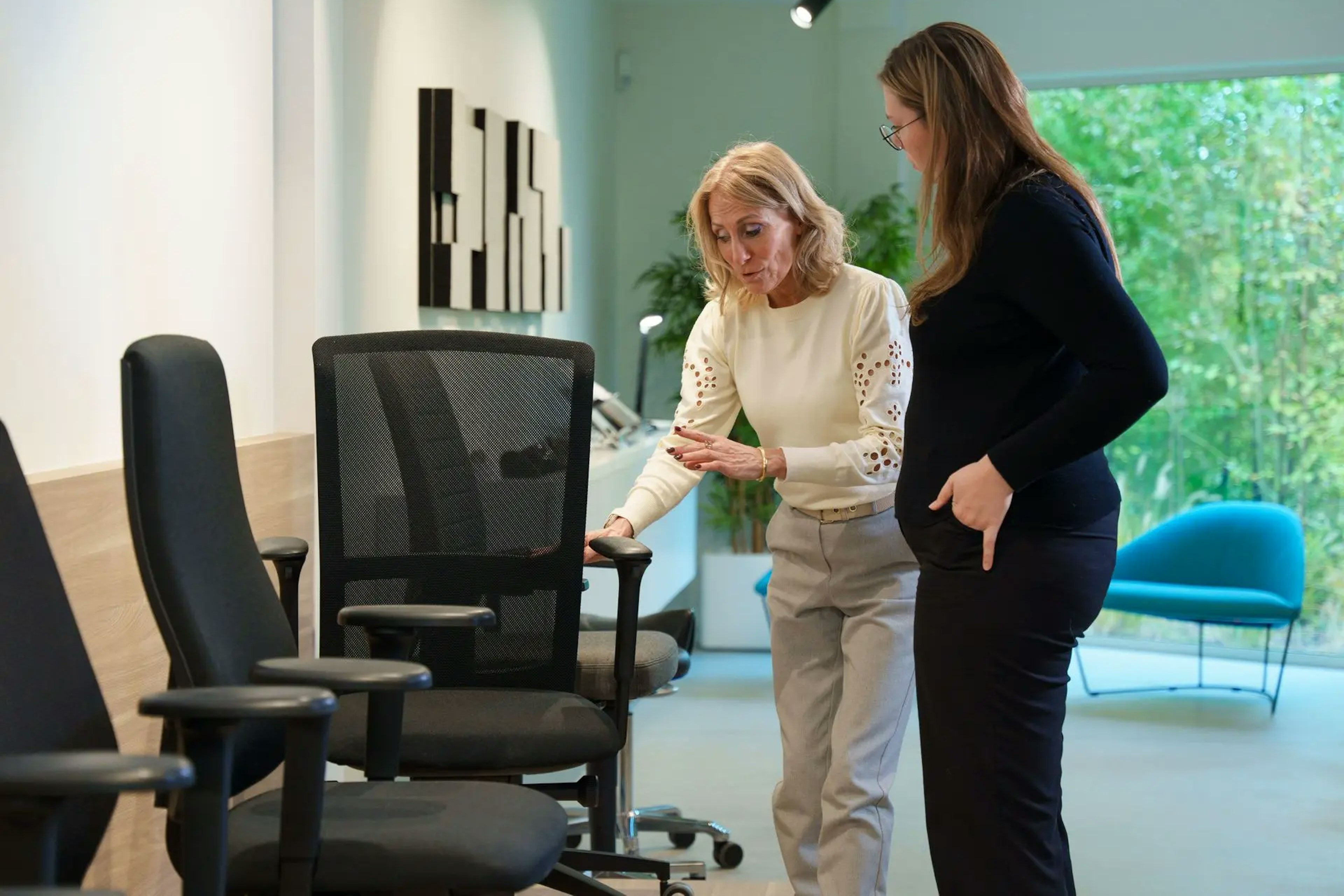
Retail & wholesale
Ergonomio replaced a twenty-year custom FileMaker webshop with one Odoo platform.
Moving from a bespoke FileMaker system to standard Odoo meant rebuilding every product record and letting go of a two-decade-old way of working.
- Energy & utilities

Energy & utilities
One Odoo platform for a multi-company energy consultancy: Tunérgia replaces Telegram, Excel and scattered tools
After sixteen years on paper, Excel and Telegram, Tunérgia put its multi-company energy consultancy onto one Odoo platform with Dynapps: leads, projects, signatures and surveys in one traceable place.
- Financial services

Financial services
How Régie Châtel runs every PPE assembly on one platform
A Swiss family agency runs more than 100 condominium administrations on a single custom platform built with Dynapps. It replaced a workflow of Word mail-merges and Excel trackers.
- Food & beverage
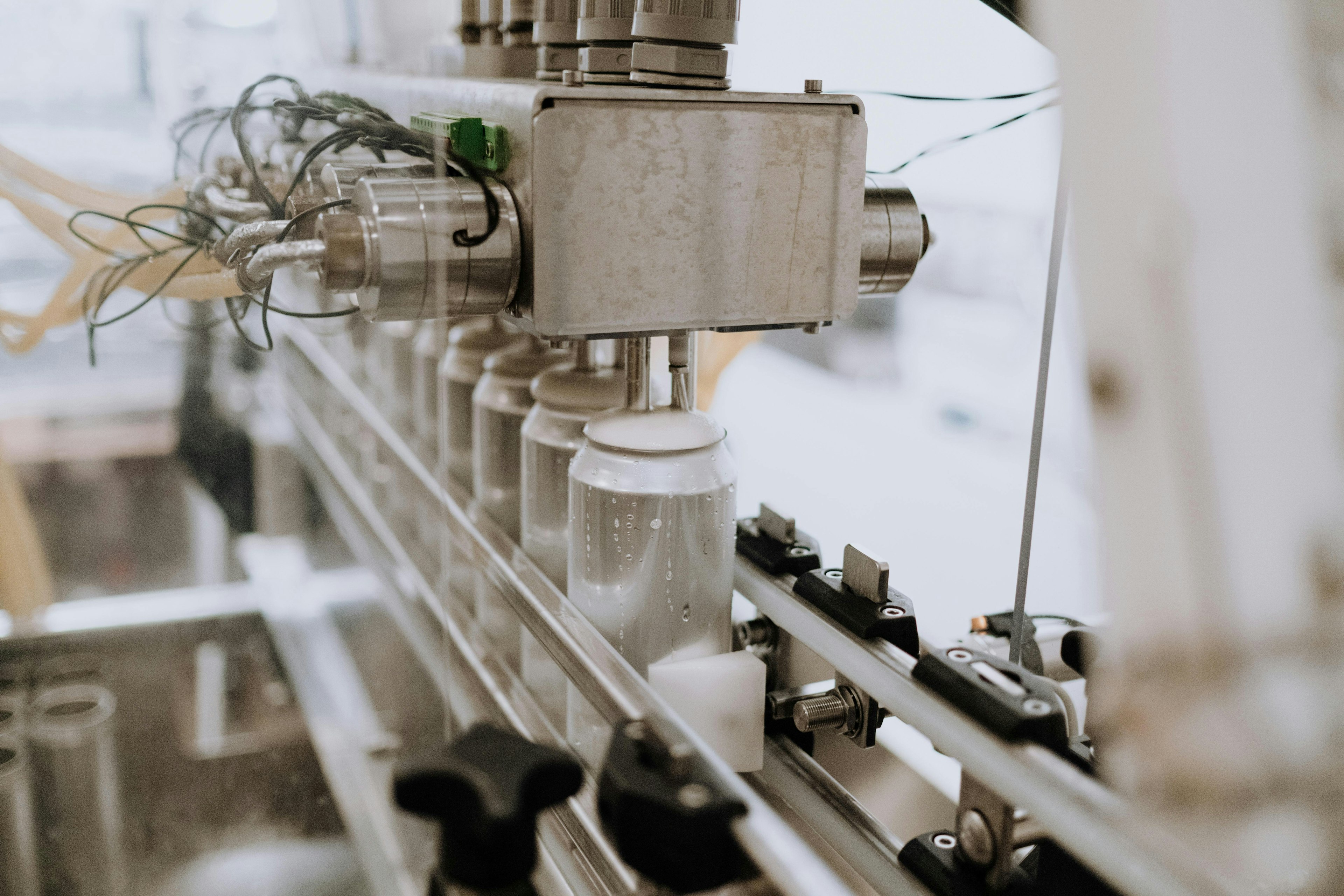
Food & beverage
One Odoo template across 14 Puratos production sites in four continents
Belgian family-owned ingredients manufacturer, 75 production units across 55 countries. Kept SAP at the largest sites; built one Odoo template for the smaller acquisitions.
- Financial services

Financial services
One Odoo backbone, from 100 to 36,000 leased bikes.
Cyclis Bike Lease grew from a four-founder startup in Hasselt to 36,000+ leased bikes. Dynapps replaced the founders’ DIY setup with a single Odoo platform that scales with the business.
- Laboratories
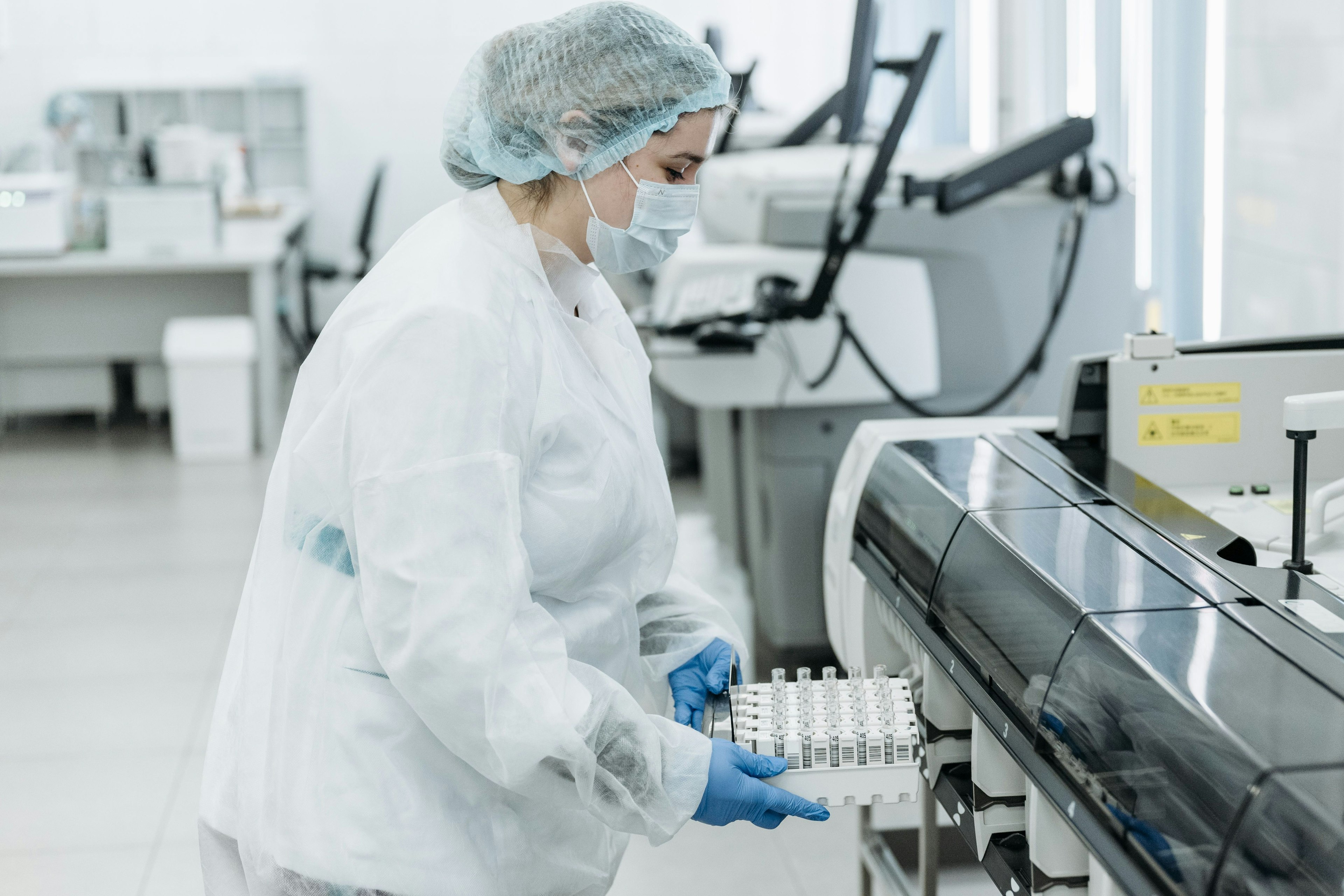
Laboratories
Seven specialised labs on one integrated Odoo and LIMS platform
Seven specialised lab departments across Oman, 65,000 samples a year. The group replaced a legacy LIMS and added an ERP on one integrated Odoo and LIMS platform in four months.
- Manufacturing
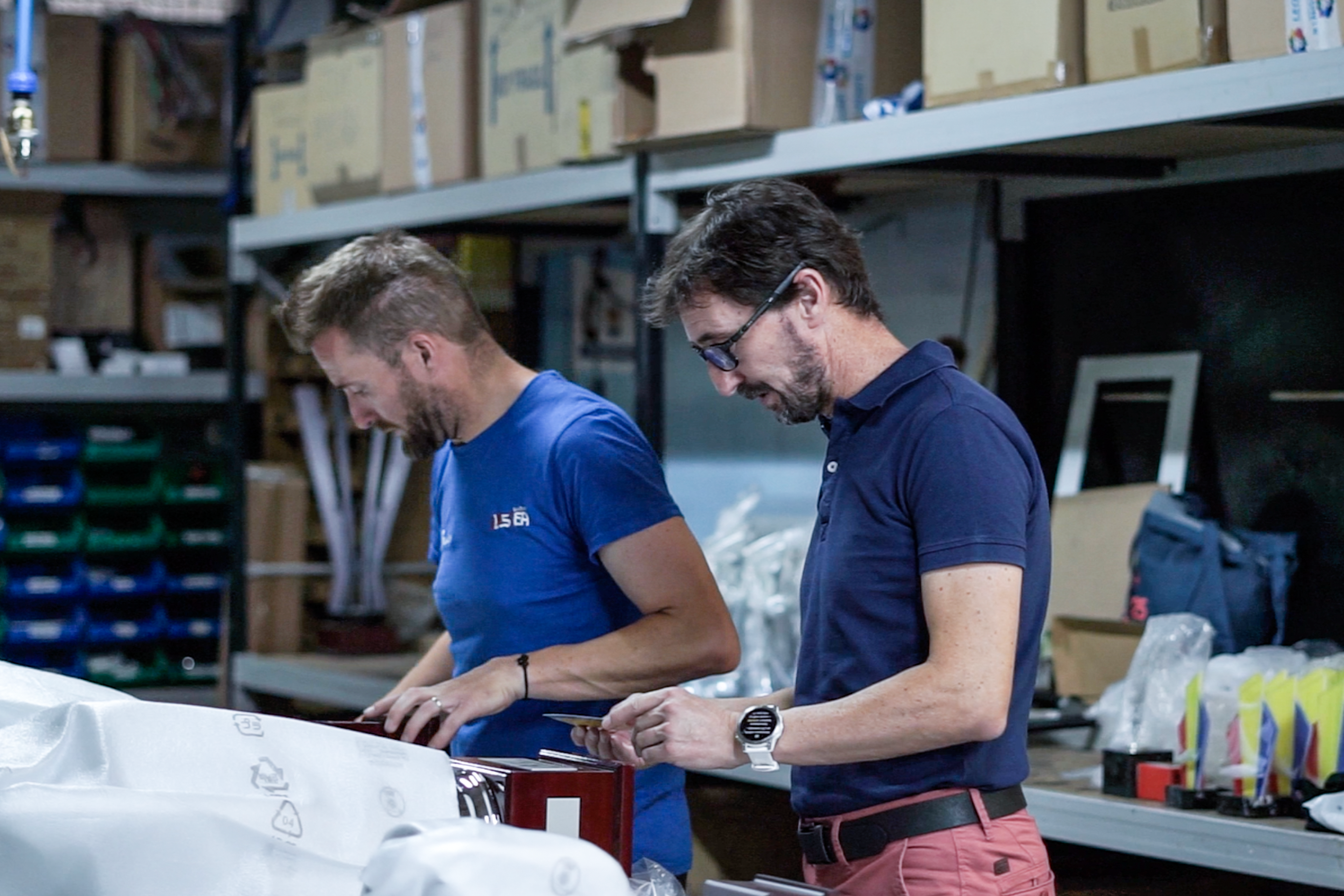
Manufacturing
From hundreds of scattered files to one screen per customer, how Todotrofeo rebuilt sales on Odoo
A family-run Spanish maker of personalised trophies and medals moved off a basic tool onto Odoo with Dynapps. One screen per customer now links enquiry, quote, order and artwork.
- Energy & utilities
Energy & utilities
Sensorfact replaced gut-feel purchasing with Odoo
Dutch climate-tech scale-up, 200+ people serving 1,600 industrial customers in 40 countries. Odoo replaced gut-feel purchasing with one system for purchase, inventory, accounting and sales in five months.
- Retail & wholesale

Retail & wholesale
One Odoo across sales, purchasing, accounting: four-month cutover
Swiss distributor of corporate clothing and promotional products, with 13 users on Odoo. One platform now covers sales, purchasing and accounting, ending a multi-year search.