
Odoo, built for energy and utilities.
Different sub-segments, same underlying question: how do field operations, asset registers, customer contracts and finance live on one platform without compromising the specialist systems that have to stay specialist. Installers, charge point operators, EPC contractors and utilities all run into it. Configured deliberately, Odoo is the answer that holds.
Trusted by 30+ companies in energy and utilities


Industry knowledge
We understand energy and utilities. That's why it works.
Installers, charge point operators, renewables EPC contractors and utilities look like one sector from the outside. Inside, they run on completely different stacks. What unites them is field operations that have to talk to finance, customer contracts that have to talk to assets, and a growing pile of integrations the team is reconciling by hand. Odoo, configured for energy and utilities, replaces the stack with one operational backbone, integrating cleanly with the specialist systems that have to stay specialist.
Quote-to-cash through five systems
Quote in Excel. A site survey written up by hand. Technician dispatch on WhatsApp. Material that lives in the vans, invisible to the office. Every closed job becomes a reconciliation problem. Configured properly, Odoo runs the survey, the quote, the project, the dispatch, the signed completion report and the invoice on one platform, with van stock tracked as its own location.
CSV exports every month-end
The CPMS runs the chargers. The billing engine runs the invoices. Reconciling sessions between them is a week of finance work, every month. Odoo as the commercial backbone integrated with the CPMS lets sessions flow into rating and invoicing without manual export.
Limited margin visibility
Subcontractor commitments in email. Progress billing milestones in Excel. Retention tracked from memory. The finance team sees the margin after the quarter closes. Configured for the project lifecycle, Odoo puts WBS, committed cost, progress billing and retention on one record, so margin is visible while the project runs.
Deep expertise where it matters most.
Dynapps is a leading Odoo implementation partner that brings configuration knowledge from 30+ implementations across this sector. An installer that goes multi-country. A charge point operator scaling from regional to European. A renewables EPC contractor retaining O&M after handover. A utility separating regulated from unregulated cleanly. The same backbone carries the service desk, the customer portal and the van stock, not just the order book. Where the work runs past standard Odoo, like split billing between a leasing company and the driver, we have built it. The combinations that come up in practice all sit on one platform, configured to the operation in front of us. So you are not buying a generic ERP and hoping it fits this sector.
A proven approach. Your dedicated team.
End-to-end Odoo solutions, from the first conversation to ongoing optimisation.
Discovery
We map your operation by sub-segment: which sites, which contracts, which assets, which integrations sit between you and the cash. The output is a clear picture of where Odoo replaces, where it integrates, and which master-data gaps decide whether the implementation lands or stalls.
Configuration
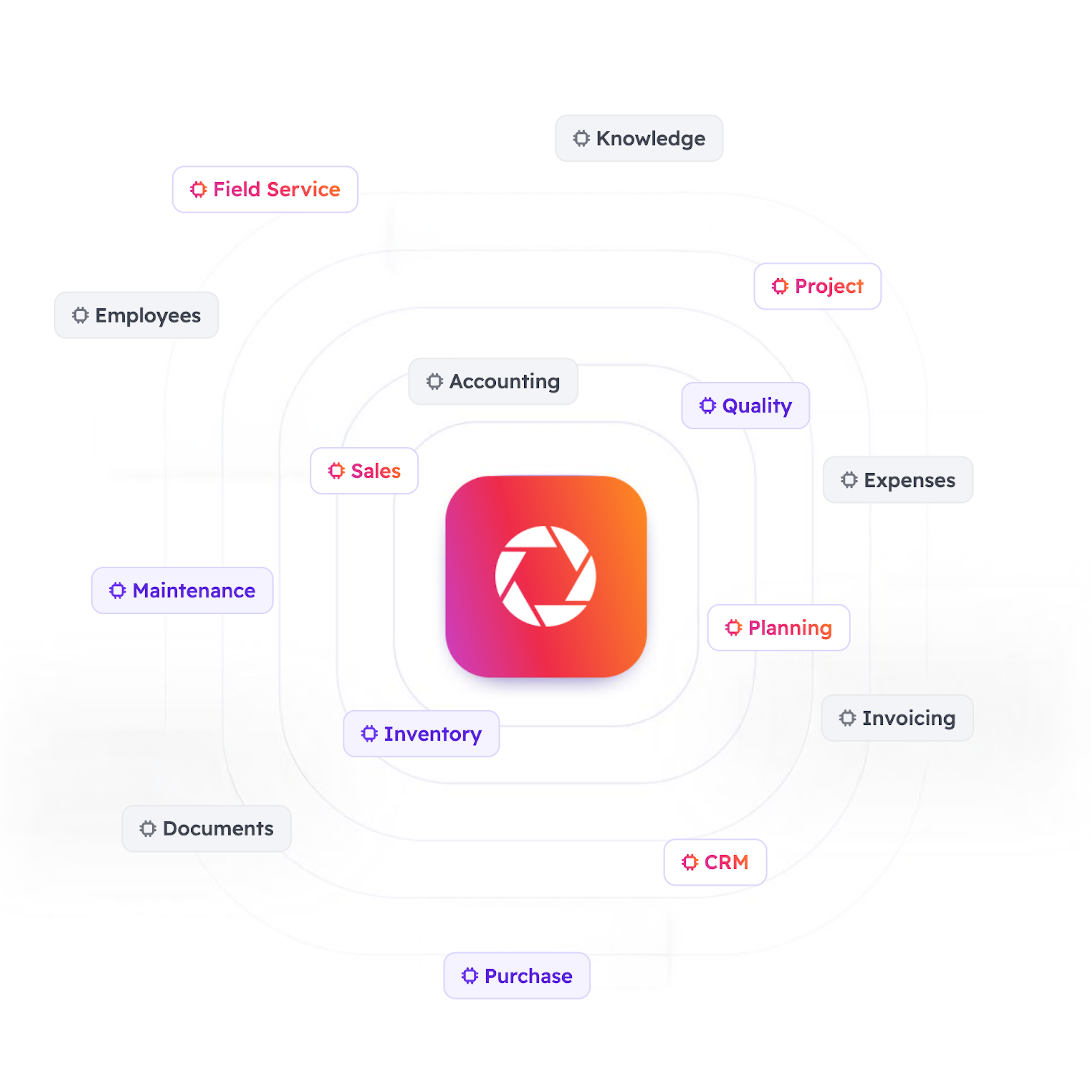
We configure the patterns that fit your operation: Field Service for technicians, Inventory with van locations for mobile stock, Subscriptions for recurring revenue, Project plus analytic accounting for EPC margin, multi-company for cross-border. Integrations to the CPMS, mobile field app, accounting and e-invoicing are designed in from the start, not added afterwards.
Go live & training
We go live with you, not at you. Data migration tested against your own asset register, tariff catalogue and contract base. Field technicians, finance, service and operations trained on the workflows they will actually use from day one.
Continuous improvement
We keep improving as you grow. New sub-segments, new countries, new integrations. The platform evolves with the business; we are still there after go-live, not gone.

Our success stories
Real results in energy and utilities.
- Energy & utilities
Energy & utilities
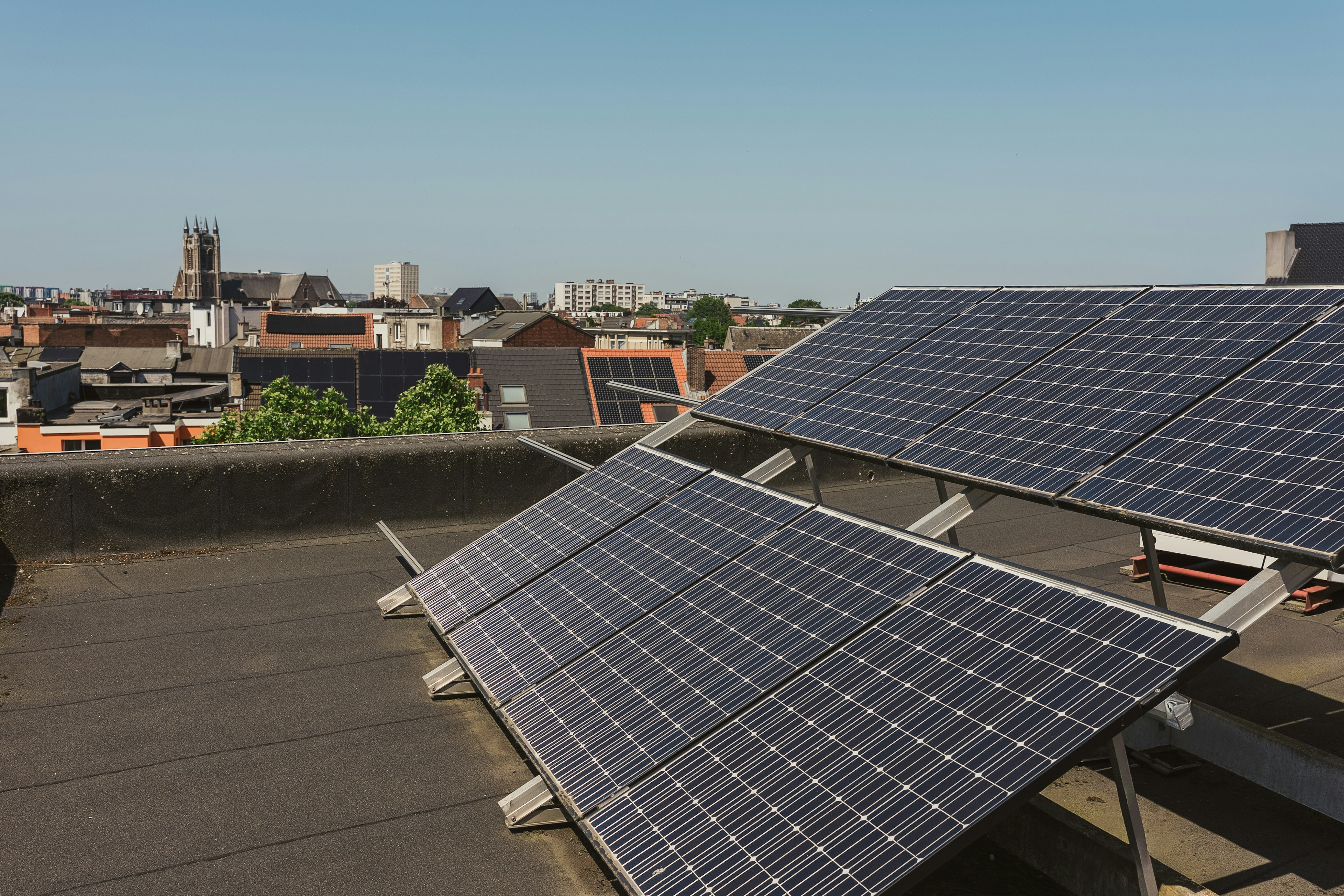
One platform for 73,000 cooperative members and the grid behind them
A Belgian citizen energy cooperative with 73,000 members, generating wind, solar and heat. Replaced SAP with Odoo while building the cooperative shareholder register inside the platform.
- Energy & utilities
Energy & utilities
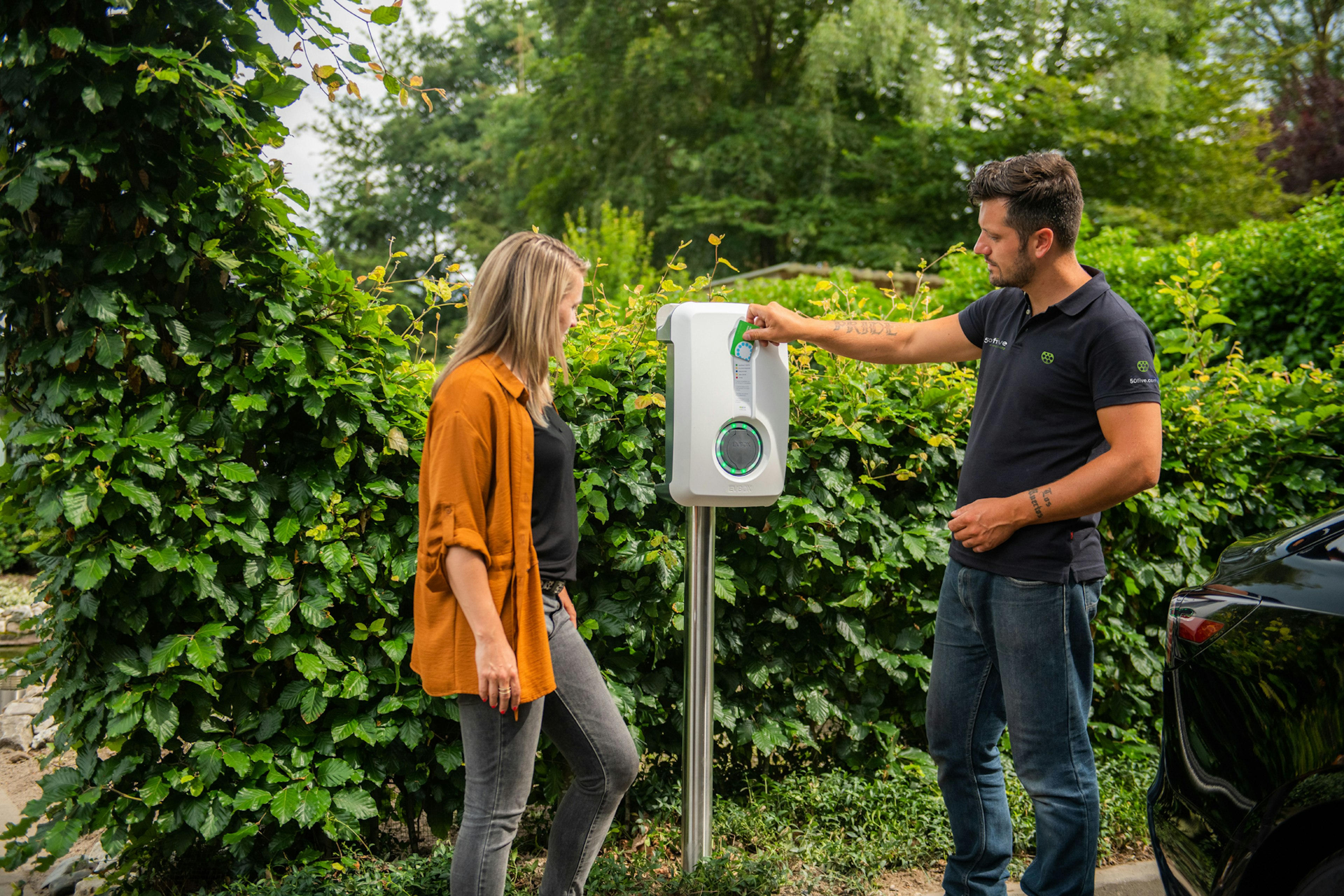
One Odoo backbone, twelve European countries, one platform
50Five carried one Odoo platform from a 2016 Dutch smart-home distributor to a B2B EV charging operator running 600,000+ charge points across twelve European countries, without forking the system.
- Energy & utilities
Energy & utilities
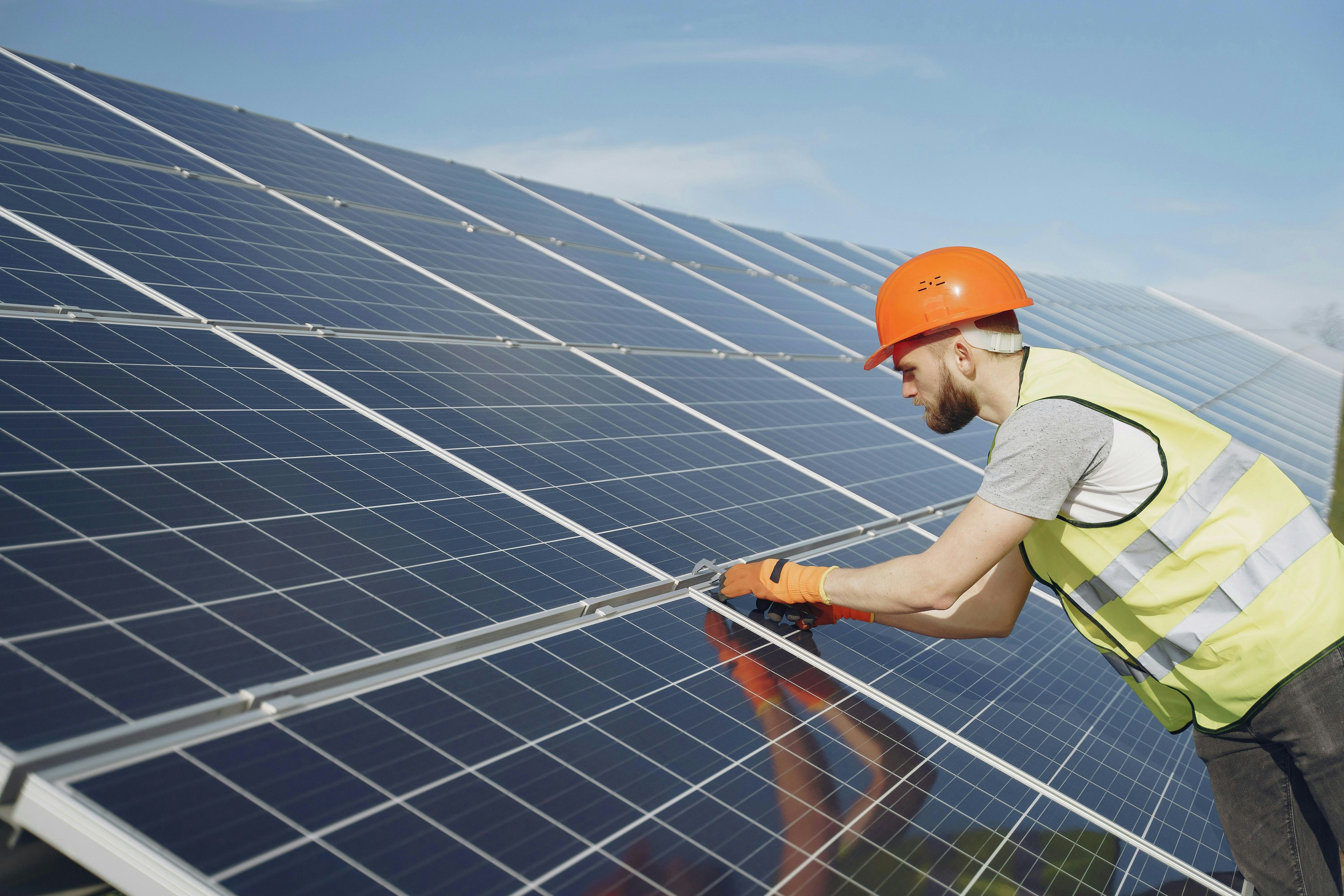
Sensorfact replaced gut-feel purchasing with Odoo
Dutch climate-tech scale-up, 200+ people serving 1,600 industrial customers in 40 countries. Odoo replaced gut-feel purchasing with one system for purchase, inventory, accounting and sales in five months.

You have to be willing to question and adapt your processes to fit the system, rather than adapting the system to fit your processes. For many companies, that can be a significant mindset shift.
Sofie de Mulders
Product Owner at 50FiveIndustry challenges
Challenges we see most in energy and utilities.
Field operations on disconnected tools
Dispatch in spreadsheets, work orders on WhatsApp, signed reports in folders, stock unseen in the vans, service requests in a separate inbox. The office reconciles by hand and finds the lost material at stock-take. Hits installers and O&M operators hardest.
Charge sessions reconciled by hand
The CPMS runs the chargers, the billing engine sits separately, and sessions, roaming, MID metering and reverse-charge VAT get reconciled in CSV every month-end. Common in growing CPOs and operators expanding cross-border.
Project margin visible too late
Subcontractor commitments in email, progress billing milestones in Excel, retention tracked by hand. Renewables EPC contractors and large installers see margin only at quarter-end, when the levers have all been pulled.
A regulated layer that has to stay regulated
A utility back office still on systems built for a regulated past. Meter-to-cash, MDM and balancing-party processes are one thing; the corporate layer, commercial activities and grid-investment projects are another. They do not all need the same regulated platform.
At a glance
Dynapps in numbers.
Metrics that prove our scale, experience and reliability as your Odoo partner.
Gold
Odoo partner worldwide
30+
references in energy & utilities
900+
references worldwide
13
offices in 5 European countries
Everything you need to know about Odoo for energy and utilities.
Can't find the answer you're looking for? Please reach out to us.
Field service management software for installers and energy operators needs to do four things on one platform: dispatch technicians, give them a mobile work order they complete on site, capture the signed completion report as evidence, and push the invoice into accounting without rekeying. Odoo Field Service does this end to end, with scheduling and a map view of the sites, time and materials logged in the field, and the installed asset registered for the maintenance contract sold later. It also connects the site survey before the quote, the van stock each technician carries (tracked as its own location), and the service desk that handles requests after handover. The platform is the easy part. The master data on products, kits and labour types decides whether it holds. We are an Odoo implementation partner, and that structuring work is what we bring.
For a charge point operator, Odoo runs the commercial backbone: customer contracts, subscriptions, multi-entity cross-border invoicing, reverse-charge VAT per fiscal position, Peppol BIS where mandated, and an asset register for the deployed chargers. Odoo does not speak OCPP itself. The chargers and the OCPP and OCPI communication live in a charge point management system (CPMS). That system can be connected to Odoo so session data (kWh, duration, tariff, roaming flag) flows in for rating and invoicing where that is the chosen design. The split is deliberate: the CPMS runs the chargers, Odoo runs the business around them, from contract to cash. 50Five runs its commercial backbone on Odoo across a growing European network. We remain an Odoo implementation partner, and what we bring is mapping the CPMS, the chargers and the contract model into a finance and contract engine that holds at scale.
Yes, Odoo handles project costing and progress billing for installation and renewables EPC projects through Project plus analytic accounting and Purchase. Each project carries its own work breakdown, budget, committed cost and forecast margin. Subcontractor commitments post against the project as purchase orders, with three-way matching on receipt and supplier invoice. Progress billing invoices on milestones (engineering complete, equipment delivered, mechanical completion, commissioning, handover), which is native to Odoo. Costs from purchase, payroll and timesheets post to the project, so margin is visible while the work runs, not at quarter-end. Contract retention (an amount held back and released on conditions) and portfolio-level cash-flow rollups are not standard Odoo, so we build these as tailored configuration on top of the project and accounting layer. We remain an Odoo implementation partner, and getting the work breakdown and billing milestones clean on day one is what we bring.
Yes, Odoo manages technician work orders and the signed completion report for solar, heat pump and EV charger installers. Technicians work from a mobile app, with scheduling and a map view of the day's sites, and access to customer and asset history. They log time and materials on site, capture photo evidence, and close the work order with a completion report the customer signs, which flows straight into invoicing without rekeying. The material each technician carries is tracked as its own van stock location, so the office sees what is in the field and values inventory correctly. Service requests after handover land in the same system through the helpdesk, linked to the asset and turned into a new work order when an intervention is needed. We are an Odoo implementation partner, and the asset and contract master data is what makes dispatch and reporting reliable.
Odoo Subscriptions handles recurring billing for energy services and CPO contracts across fixed tariffs, variable kWh-based tariffs, hybrid models (fixed connection plus variable usage), and bundles such as charging plus maintenance. Multi-year contracts auto-renew on configurable cycles, with upsells and plan changes handled mid-cycle and proration where configured, and dunning runs on country-specific reminder rhythms. Revenue recognition separates one-off connection fees from recurring revenue, with deferred income postings for prepaid contracts. Combined with analytic accounting, the monthly view shows recurring revenue per customer segment, contract type or service line. Where an installer works for a leasing company, split billing (the leasing company pays the standard installation, the driver pays extras such as extra cabling or excavation) is a custom build we have delivered. We remain an Odoo implementation partner, and designing the subscription catalogue and revenue policy before go-live is what we bring.
Odoo can work for traditional utilities, but meter-to-cash is where scope decides. Odoo is a strong fit for the utility back office: finance, procurement, HR, project management, customer service, contract administration and intercompany consolidation across multi-entity groups. For regulated retail meter-to-cash with full meter data management (MDM), AMR/AMI ingestion, balancing-party processes and regulator-mandated tariffs, a specialist system typically sits alongside Odoo and feeds the billing layer. The pattern is clear: MDM and regulated billing run in the specialist platform, Odoo runs the corporate layer and the unregulated commercial activities such as energy services, maintenance and B2B contracts. Trying to make Odoo the regulated meter-to-cash engine is a scope decision we would talk a utility out of. We remain an Odoo implementation partner, and drawing the line between regulated and unregulated cleanly, then making Odoo perform where it is the right tool, is what we bring.
The cost of an Odoo implementation for an energy or utilities company depends on scope: how many sub-segments you run, how many integrations sit between you and the cash, and how clean your master data is at the start. Odoo licensing is per user per month, so the software line is predictable. The implementation is the variable, driven by the number of modules configured (Field Service, Project, Subscriptions, multi-company), the integrations to a CPMS, a mobile field app, accounting and e-invoicing, and the state of the asset, contract and tariff data we migrate. A single-entity installer with standard finance scope is a different project from a multi-country operator with cross-border billing. We scope it against your operation before quoting, so the number reflects your reality, not a list price. We remain an Odoo implementation partner, not a packaged product vendor.
Yes, Odoo handles growth from local to multi-country, and this is where the early configuration choices matter most. Multi-company is native: separate legal entities per country, intercompany flows for shared services, country-specific VAT, reverse charge and fiscal positions, and Peppol BIS e-invoicing where mandated. The same platform carries an installer that adds a service-contract book, a charge point operator scaling from regional to European, or a utility separating regulated from unregulated activity. What decides whether it survives the second country or the second thousand assets is not the software, it is the master data on assets, contracts, tariffs and subsidy templates, and the revenue recognition policy set before go-live. We remain an Odoo implementation partner, and the discipline of building that foundation so the platform scales without a rebuild is what we bring.
Yes, taking over an existing Odoo that another partner built is a recurring request in energy and utilities. We start with an assessment across four layers: master data quality (asset register, customer hierarchy, tariff catalogue, subsidy templates), customisations (which are essential, which are workarounds, which block upgrades), integrations (CPMS, mobile field app, accounting connectors, grid-operator paperwork flows), and process fit (does the configuration match how the operations team actually works today). From there we set a stabilisation roadmap that addresses the highest-risk issues first, usually asset-register cleansing and contract data hygiene, before adding any new capability. The technical lift is rarely the issue; data and process gaps are. We remain an Odoo implementation partner. What we bring is the implementation discipline that decides whether Odoo holds in production, not a separate product.
Turn your energy operation into an Odoo platform that fits.
Talk to our energy and utilities experts. They'll listen to how you work today, show you what's possible with Odoo, and shape a concrete plan together with your team.