The ERP that built the business is now holding it back.
Replacing a core business system is one of the most consequential decisions a mid-market company makes. It touches every department, every process, every person. The companies that get it right do not just swap software. They rethink how the business runs.

ISO 27001
certified
900+
customer references
280+
Odoo experts
05
countries
Replacing legacy ERP, risk-free.
Most mid-market companies run on 10-to-20-year-old ERPs the business has outgrown. SAP, Exact, Navision, Sage, or custom builds sit at the centre, wrapped in integrations and spreadsheets only a few people understand. The challenge is not picking new software. It is moving from this reality to a modern platform without losing control of the business in transit.
A system too old to change, too critical to touch.
It still runs the core of the business. Stable enough that nobody dares to switch it off, fragile enough that every small change needs meetings, testing, and contingency plans. Upgrades postponed. Customisations stacked on customisations. Whole parts of the setup have become do-not-touch zones.
The workarounds have become the process.
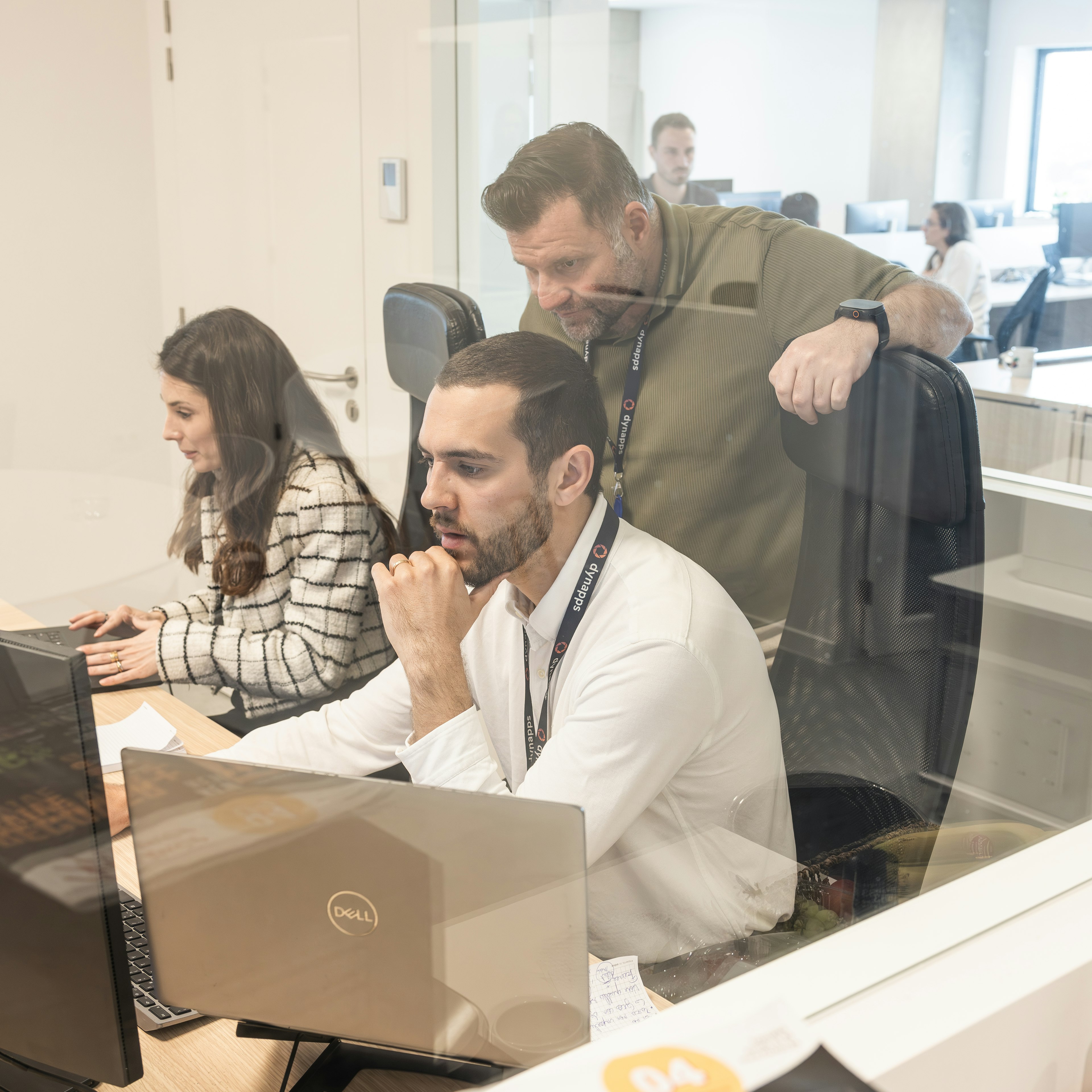
In daily operations, people no longer notice where the system stops and the workarounds begin. They have merged into one long, clunky process. New colleagues learn the quirks instead of how the business is supposed to flow. Re-keying data, chasing approvals by email, stitching reports together in spreadsheets. It works, technically. Slow, manual, error-prone.

Everyone sees the problem. Nobody wants to own the risk.
Leadership and teams agree something has to change. When the conversation turns into an actual project, the room goes quiet. Past horror stories (blown budgets, endless implementations, user revolt) make people wary of touching the core system. There is always a reason to push the decision to next quarter. Meanwhile, the cost of standing still keeps adding up, quietly, across teams and budgets.

From scary project to clear journey.
The right partner turns a vague, high-risk ERP replacement into a series of concrete, manageable steps. We start by understanding how your business actually runs today, then design an Odoo setup that follows that logic instead of forcing a generic template. Data migration is a core workstream, not a back-of-the-queue task. We stay close after go-live, fixing what reality surfaces and iterating until the new platform feels like an upgrade in daily work, not just on a slide.

What this looks like in practice
Clients who outgrew their ERP.
- Energy & utilities
Energy & utilities
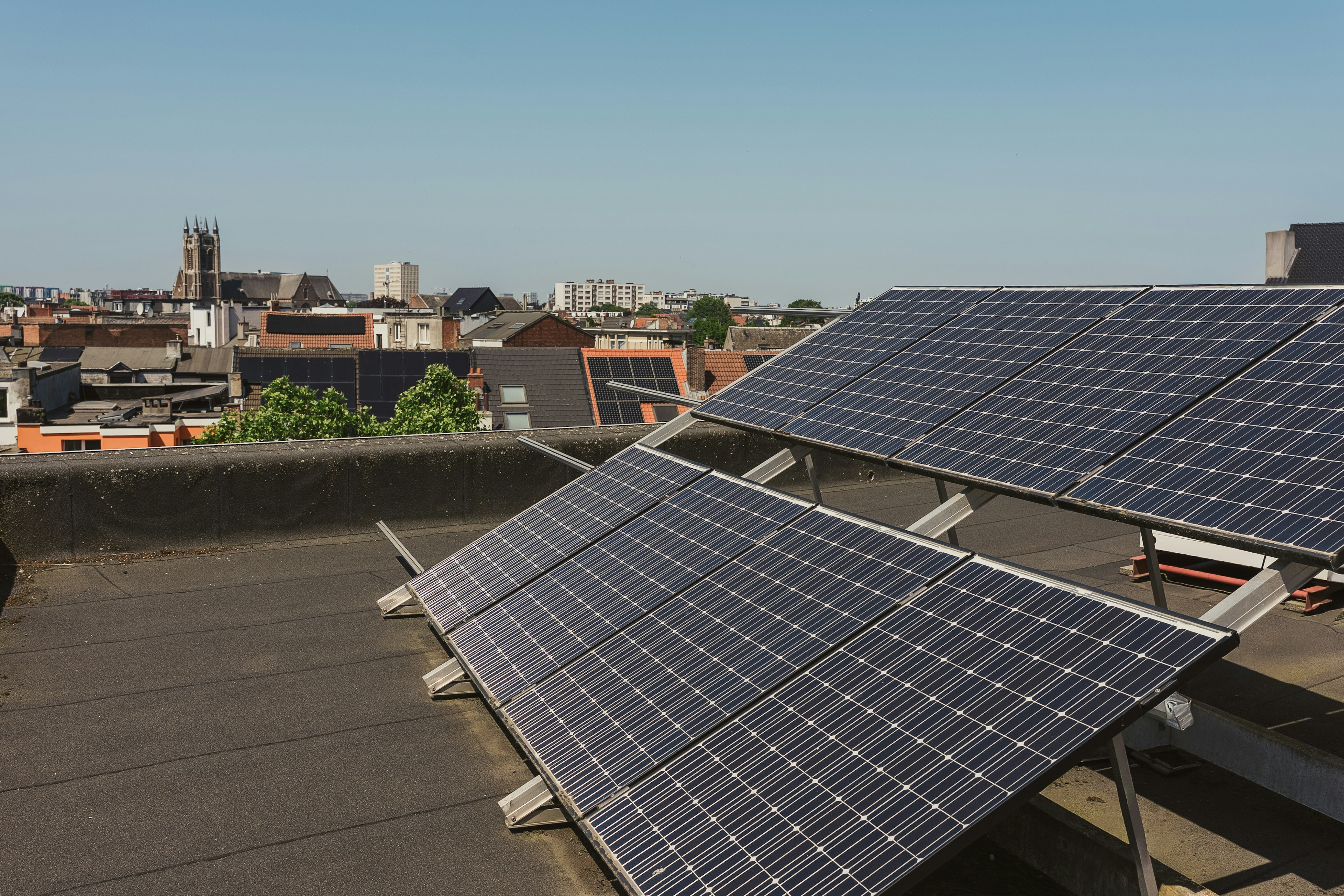
One platform for 73,000 cooperative members and the grid behind them
A Belgian citizen energy cooperative with 73,000 members, generating wind, solar and heat. Replaced SAP with Odoo while building the cooperative shareholder register inside the platform.
- Retail & wholesale

Retail & wholesale
One Odoo platform across three webshops and fourteen markets
Dutch van-accessories specialist, three companies, 14 European countries from one warehouse in Veghel. Replaced three ERPs and three middleware components with one Odoo platform across back office and webshops.
- Laboratories
Laboratories
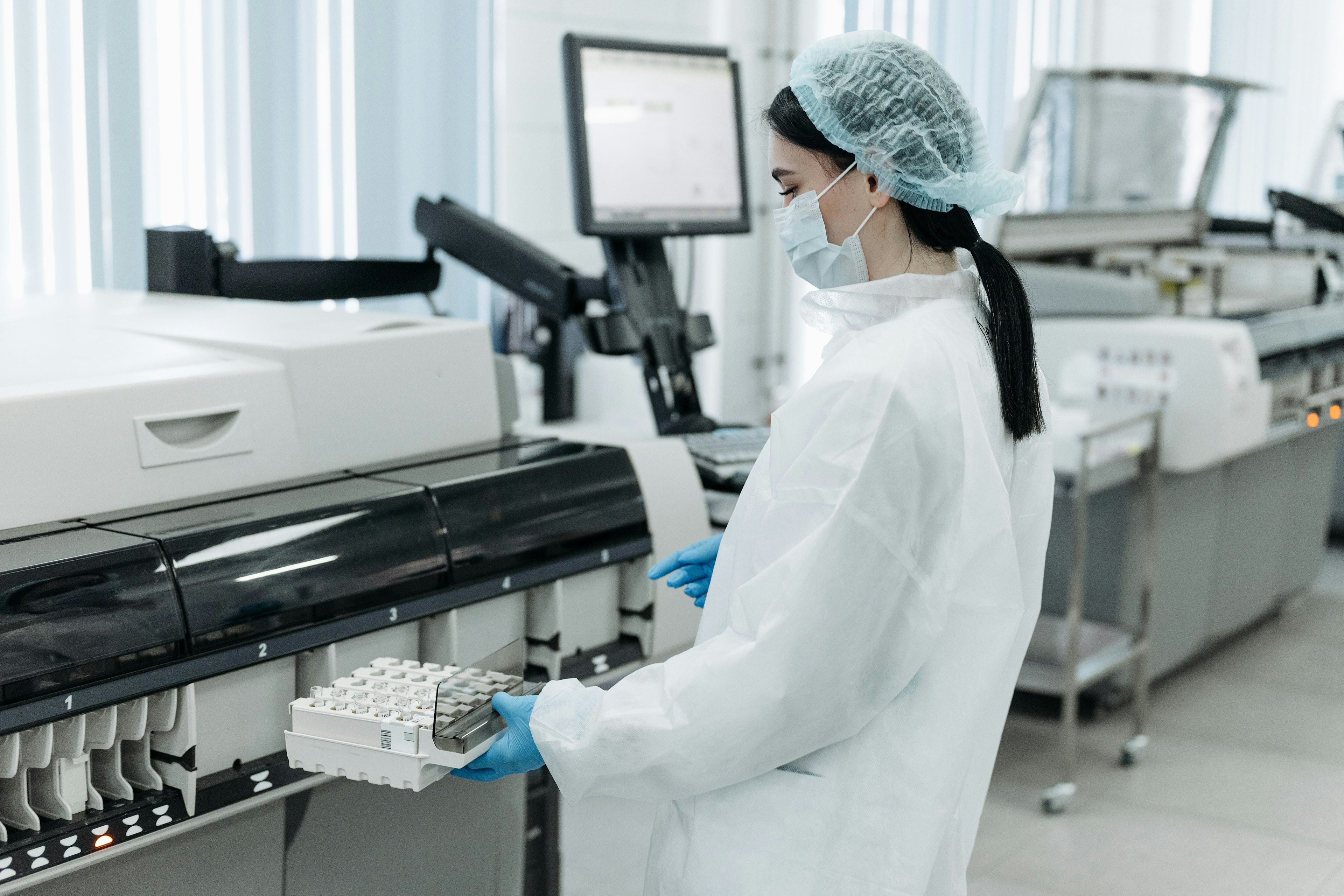
Five Eurofins lab departments on one Odoo platform
Eurofins runs analytical testing across five departments in Riyadh under ISO/IEC 17025 accreditation. The lab replaced its 2017 system and manual bridging tools with an Odoo platform.
Related challenges
Other patterns we see often.
Sound familiar?
Consolidating operations
Multiple entities, multiple systems, one company that cannot see the full picture.
Untangling disconnected systems
Production in one system, CRM in another, finance in a third. Nobody trusts the numbers.
Scaling for the next phase of growth
The business is ready to grow. The infrastructure is not.
Recovering a failing Odoo
Already on Odoo. Still not getting what was promised.
Same challenge, different reality
How this pain shows up across industries.
The legacy ERP problem is universal in mid-market. The shape it takes is not. Same root, different symptoms.
Manufacturing
Production floor, finance, and supply chain in the same language.
Professional services
Projects, people, and P&L, running off one model.
Retail & wholesale
Brick, click, and warehouse. One stock. One view.
Logistics
Multi-warehouse, multi-country, one operational backbone.
Energy & utilities
Installers, operators, producers, cooperatives. Each on Odoo, shaped to fit.
Laboratories
From sample to result. LIMS for in-house and commercial labs.
Food & beverage
The full food and drink chain, traceable from raw material to shelf.
Pharma & biotech
Batch traceability, GxP, and quality, ready for any audit.








The questions before you commit.
Replacing the system that runs the business raises real questions about risk, cost, timing, and what happens to everything built on the old one. Here are the ones we hear most, answered straight. If yours is not here, ask us.
It depends on the size of the organisation, the number of sites, and how much of the old system needs rebuilding versus simplifying. The blueprint phase, where we map your processes and design the Odoo setup, typically runs four to six weeks. From there, a single-site replacement usually takes a few months, and multi-site or multi-country groups take longer. The blueprint gives you a realistic timeline up front, not a number pulled before anyone has looked at the system.
Migrating data from a 15-to-20-year-old SAP, Exact, Navision, or Sage system is the part that worries people most, and the part we plan first. The migration strategy is defined in the blueprint phase, not at go-live. We map what data exists, what the business actually needs in the new system, and what should be archived rather than moved. The history that matters (compliance records, customer transaction history, audit trails) is preserved on purpose. The rest is retired deliberately, not by accident. A legacy migration runs through a sandbox cycle before any production cutover, so issues surface in testing, not on go-live day.
No. Big-bang go-lives, where everything switches in one weekend, only make sense when the timeline genuinely justifies the risk. More often we phase it, by site, by entity, or by module, so each step is contained. Where it reduces risk, we run the old system and the new one in parallel for a period, so the business has a fallback while people find their feet. The blueprint sets the sequence, the dependencies, and what runs alongside what during the transition.
There is no list price, because no two replacements are the same. The main drivers are the number of users, the number of sites or entities, how many surrounding systems Odoo has to connect to, the volume and state of the data to migrate, and how much needs custom development versus standard configuration. We work standard-first, which keeps cost down: the more of your processes that fit Odoo as it comes, the less there is to build and maintain. The blueprint puts a concrete number on the table before you commit to the full project, so the investment is clear up front, not discovered along the way.
This is one of the first things the blueprint phase looks at. Old systems accumulate customisations and workarounds that were never written down, and often only one or two people still understand them. We map what each one does and why it exists, working with the people who know the system rather than around them. Some of that logic turns out to matter and gets rebuilt properly in Odoo. Some of it was a workaround for a limitation that no longer applies, and gets dropped. Either way, the knowledge moves out of people's heads into a documented design, so the business no longer depends on who happens to still be around.
We do one thing. Odoo, and only Odoo. A generalist implementer spreads across SAP, Microsoft Dynamics, NetSuite, and others, bringing general ERP knowledge to each. We bring depth in one. Every project teaches the next. Every custom build is reviewed by someone who has solved the same thing before. Our developers think Odoo-native, not retrained from another system. For a legacy replacement, that focus is the difference between a partner learning your platform on your project and one that has done it hundreds of times.
A first conversation to understand where you are: the system you are on, what is holding the business back, and where you need to get to. We tell you honestly whether Odoo is a fit, and what a realistic path looks like. If there is a match, the next step is a tailored demo built around your operations, then a blueprint proposal. If there is not, we will say so.
Ready to move on from your legacy system?
A first conversation about where you are today and what it would take to get where you need to be. An honest read from people who have done this before.