
Odoo backbone that pays for itself across retail and online.
How Espacio Orgánico replaced manual inter-store transfers and gut-feel purchasing with sales-driven max/min replenishment on standard Odoo, in 6.5 months from kickoff to a single July 2025 cutover.
Sector
Retail, specialty organic food, with in-store restaurant and wellness.
Footprint
2 physical stores in Madrid (Alcobendas, Majadahonda) plus an online shop.
Scale
Family-owned, founded 2012, multi-site replenishment driven by 20-day sales windows.
Dynapps partner
Since 2024.
Backing
Independent family business, no external investor.
Before Dynapps stepped in.
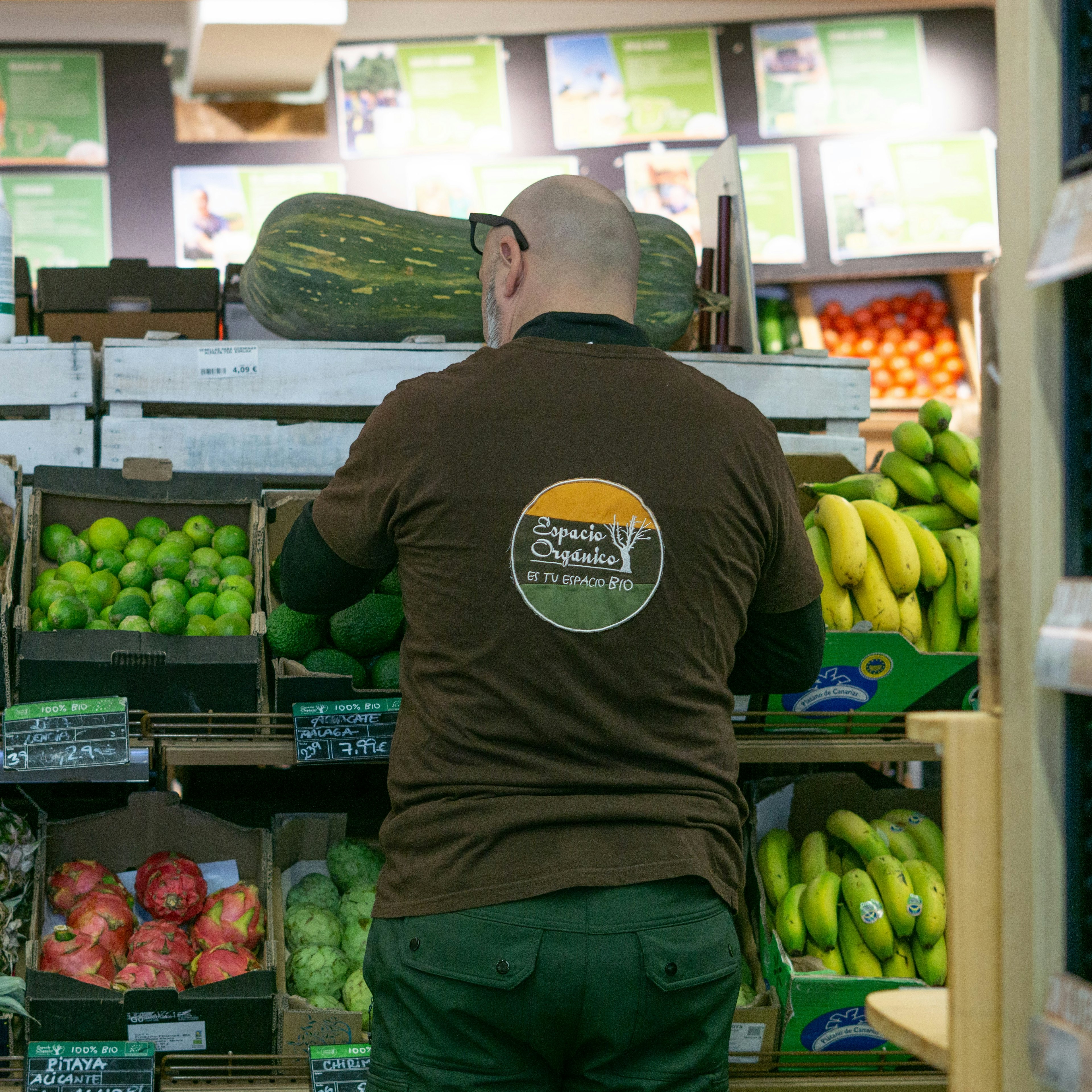
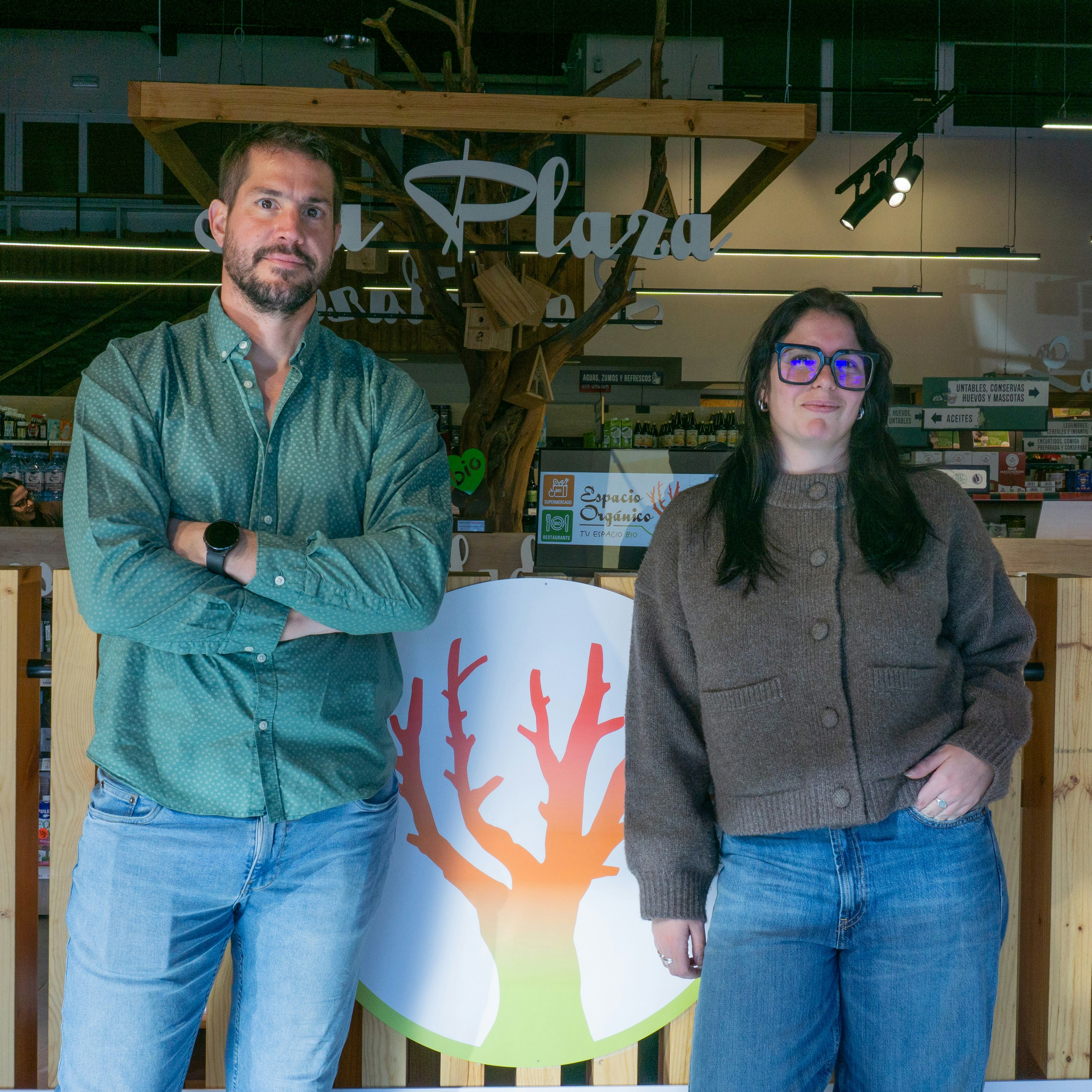
By the time Nacho, manager of Espacio Orgánico, started looking seriously at a new ERP, the business had already grown out of what its tools could carry. The company had been running since 2012 as a single-venue concept in Madrid, an organic supermarket, a restaurant, and a wellness and therapy zone under one roof, then added a second location and an online shop. Two stores meant two stock rooms, customer pre-orders moving between them, transfers to the back warehouse, and a purchasing rhythm that depended on whoever happened to be watching the shelf. Nacho did the obvious thing first: he called peers in the sector who already ran Odoo and asked who had implemented for them. That is how the Dynapps name reached his desk.
The challenge
Where the cracks showed.
Routes picked by hand
Movements between Alcobendas, Majadahonda and the back warehouse, customer pre-orders, items shipped from one store to another, all went through a person who had to type them in, one at a time. The Dynapps lead consultant described it plainly: many movements, many stores, many casuísticas, and someone was the human router for all of it.
Buying by feel, not by data
There was no replenishment logic based on what the stores were actually selling. Max and min stock levels existed as concepts, but the system did not look at the last 20 days of sales to propose a purchase. The risk was the one a small organic chain cannot afford: overstocking perishable food that will rot, or running out of it, a death sentence for a store like this.
Admin work that ate the day
Borja, head of purchasing, spent repetitive hours on the same supplier conversations, preparation orders between stores, chasing pending and delayed orders, and reconstructing what had been said to which supplier and when. None of it was traceable, none of it automatic.
Why Espacio Orgánico had already chosen Odoo and just needed the right implementer.
The trigger was a decision Nacho had already half-made before the first call: change the ERP. He had landed on Odoo on his own, before talking to any partner, and the question was no longer ‘which platform’ but ‘who implements it’. He asked colleagues in the sector, other shops already running Odoo, who had set them up and whether they were satisfied.
Two or three names came back. He called Dynapps, the offer fit, the implementation plan held together, and he went with them because he saw they had the implementation experience he needed. The ‘why this partner’ rationale is Nacho’s, not the partner’s: peer recommendation from other Odoo-running retailers, then a delivery story he could believe.
How the rollout really happened
How Espacio Orgánico went live on Odoo in 6.5 months.
2024
Kickoff on 16 December, followed by an initial analysis phase.
Early 2025
Implementation begins. Andrea Martín leads on the Dynapps side, with a technical consultant.
Mid 2025
Go-live across sales and purchasing, inventory, full accounting and integrated e-commerce, in a single cutover. Roughly 6.5 months from kickoff.
Everything Espacio Orgánico runs on Odoo.
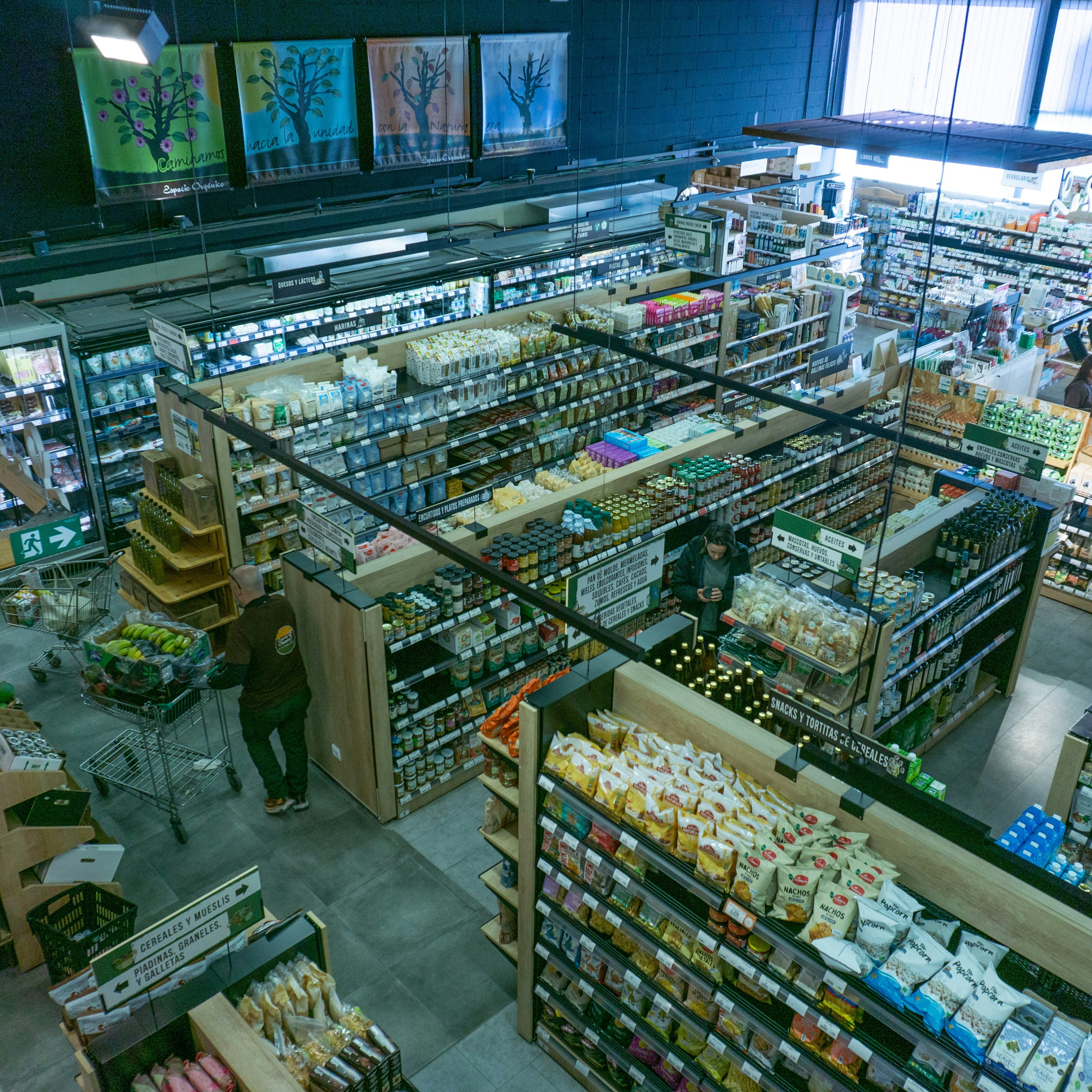
A deliberately compact Odoo rollout for a multi-site family retailer, run by two people from Dynapps and three key users from Espacio Orgánico. Andrea Martín led on the Dynapps side as lead consultant, with a technical consultant alongside. On the customer side, Nacho carried the decision and acted as Single Point of Contact, Borja owned purchasing as key user, and Lucía owned accounting.
Four blocks of Odoo functionality went live together on 1 July 2025: sales and purchasing management, inventory management, full accounting, and integrated e-commerce. Inventory carries the inter-store routing and supplier traceability, purchasing carries the sales-window replenishment logic that proposes the right order quantity to avoid both overstock and stock-out, accounting closes the loop into the books, and the e-commerce piece keeps the online shop on the same backbone as the two stores.
Modules: sales, purchasing, inventory (inter-store routing, supplier traceability), accounting, integrated e-commerce, sales-window max/min replenishment.
The discipline throughout.
Standard and core Odoo, no custom developments. The sales-window replenishment is the only place that looks like custom work, and even there the framing is wrong: the logic was co-designed with Espacio Orgánico, built once, and has since become a core Dynapps offering used in other projects. The discipline that defined the engagement was the refusal to one-off-customise; everything Espacio Orgánico needed in July 2025 was Odoo standard, configured for two stores, an online shop, a restaurant adjacency, and a family business that did not want a bespoke ERP.
Getting every inter-store route right the first time.
Mapping every way a product could move was harder than mapping the products themselves. Two stores, a back warehouse, customer pre-orders that needed to follow the customer to whichever store they next visited, transfers between Alcobendas and Majadahonda, and the e-commerce flow on top: each was a separate movement type with its own rules. The Dynapps lead's repeated phrase for it was 'muchos movimientos, muchas tiendas, muchas casuísticas', and the work to make all of them automatic, instead of having a person type each transfer by hand, was the substance of the project. Standard Odoo gave the pieces. The hard part was getting every route right the first time, because a wrong route in a food shop means a customer waiting at the counter for something that is in the other store.

Odoo isn't the best at anything, but it's the best at everything.
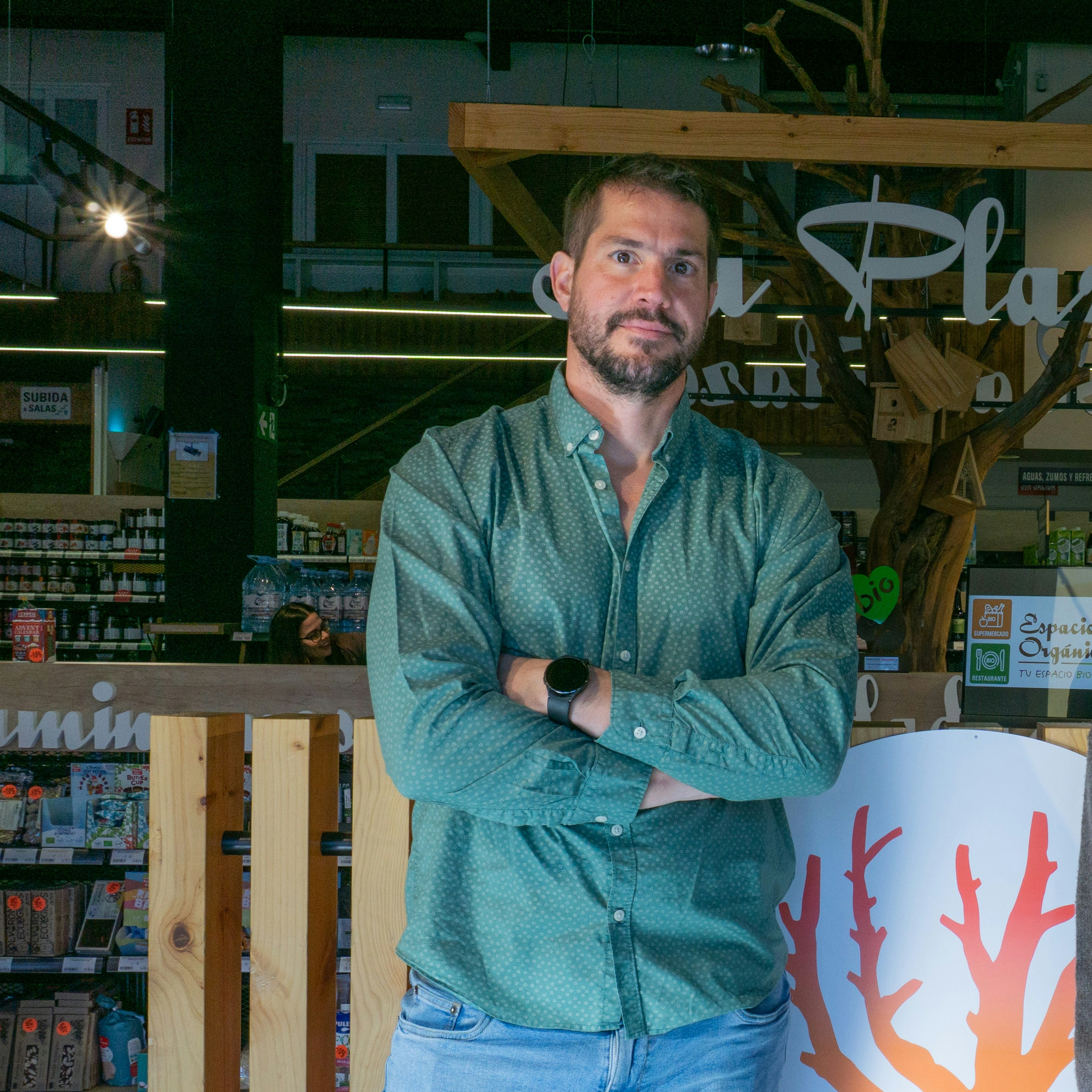
Nacho
Head of purchasing at Espacio OrgánicoSales-window replenishment, now a core Dynapps product.
The piece Dynapps took away from Espacio Orgánico is the sales-window replenishment itself. Built once with the customer to read the last X days of sales in a defined window, apply max/min thresholds and propose the right purchase quantity, it stopped being a 'development' the moment Dynapps decided to fold it into the core offering. It is now a core product used in other Dynapps projects. The pattern is the one Dynapps explicitly avoided at the start, customisation, repurposed as productisation: build it once for the customer who needs it most acutely (a perishable-food retailer where overstock costs money and stock-out closes the shelf), then carry it forward as something every comparable customer can switch on. Espacio Orgánico paid for the original build; every retailer Dynapps onboards after them gets the benefit.
From ‘can we handle another site?’ to ‘how fast can we open it?’
The shift is in the default question Espacio Orgánico now asks when it considers a third store. The question used to be 'can we handle the operational complexity of another site?' With purchasing, inventory, transfers and supplier traceability already running on one Odoo backbone, the question is now 'how fast can we open it?' Nacho put it directly: the next challenge is the next store, and opening it will be much more manageable because everything is already integrated and parametrised. That is the posture shift, not a metric, but the one that decides what the business does next.
If this sounds familiar, let’s talk.
Wherever your business is heading and wherever it's getting stuck, an expert who has run this kind of work is the right person to start with, before you commit to a direction or a platform.
Go deeper
Read further.
Implement Odoo
From blueprint to go-live, built around how your industry actually operates.
Untangling disconnected systems
Production in one system. CRM in another. Finance in a third. A technology landscape nobody designed, where workarounds have piled up for years until reconciling the numbers takes more time than the work it reports on.
Retail & wholesale
Brick, click, and warehouse. One stock. One view.
More stories like this
- Food & beverage
Food & beverage
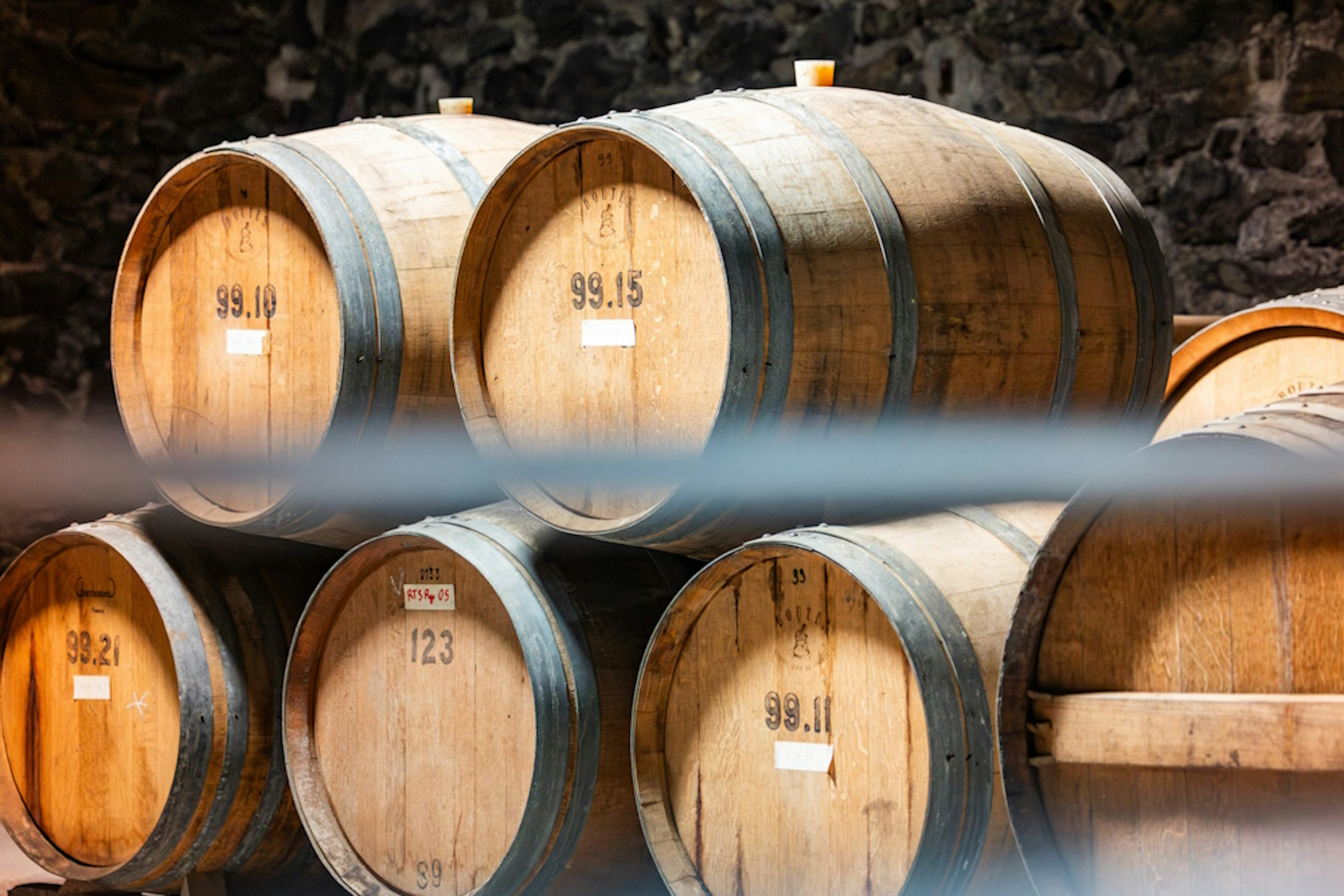
Cazes: Odoo for point-of-sale, SAP for consolidated financial statements
Cazes moved its boutique and wine-fair sales onto Odoo Point of Sale, retired a clumsy SAP Fiori till, and left accounting, invoicing and alcohol duties on the Advini group's SAP S/4.
- Manufacturing
Manufacturing
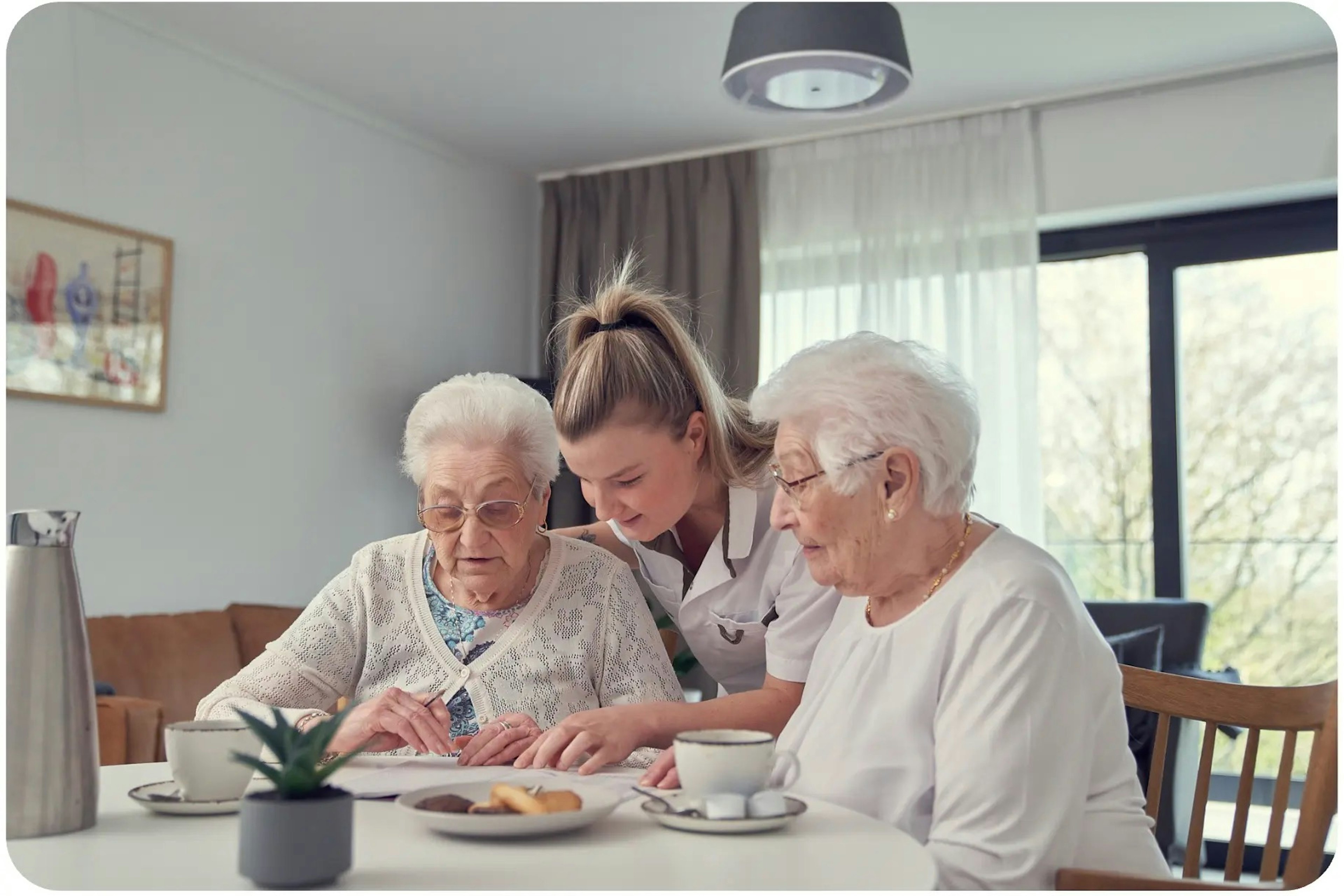
How Nobi tracks every smart lamp from the Belgian assembly line to the care room.
A fast-growing health-tech manufacturer tried to stand up Odoo itself, hit a wall on serial-number traceability, and turned to Dynapps to clean up the setup and rebuild the flow, from component picking to a fully documented, serial-tracked finished product.
- Retail & wholesale
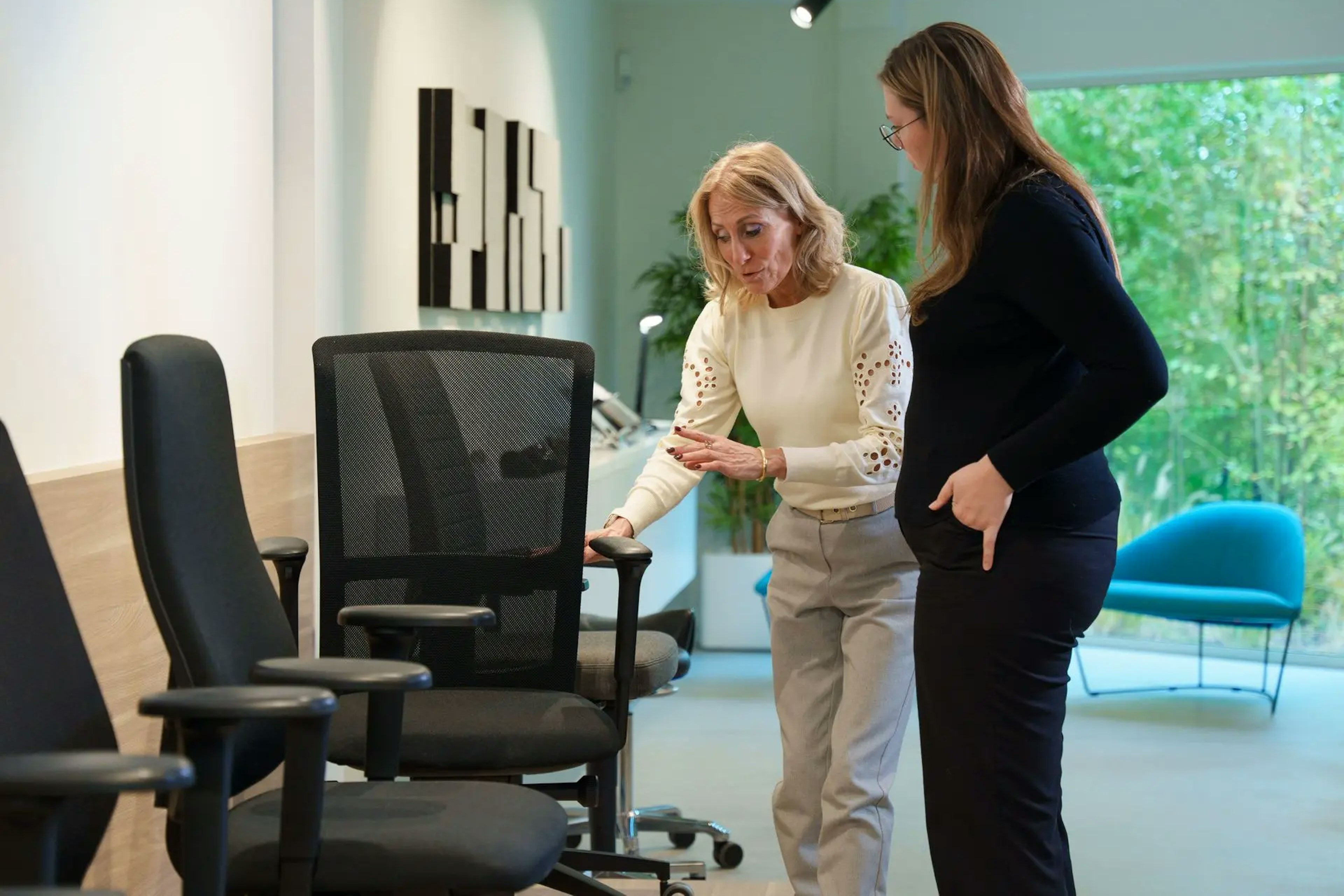
Retail & wholesale
Ergonomio replaced a twenty-year custom FileMaker webshop with one Odoo platform.
Moving from a bespoke FileMaker system to standard Odoo meant rebuilding every product record and letting go of a two-decade-old way of working.
- Energy & utilities

Energy & utilities
One Odoo platform for a multi-company energy consultancy: Tunérgia replaces Telegram, Excel and scattered tools
After sixteen years on paper, Excel and Telegram, Tunérgia put its multi-company energy consultancy onto one Odoo platform with Dynapps: leads, projects, signatures and surveys in one traceable place.
- Financial services

Financial services
How Régie Châtel runs every PPE assembly on one platform
A Swiss family agency runs more than 100 condominium administrations on a single custom platform built with Dynapps. It replaced a workflow of Word mail-merges and Excel trackers.
- Food & beverage
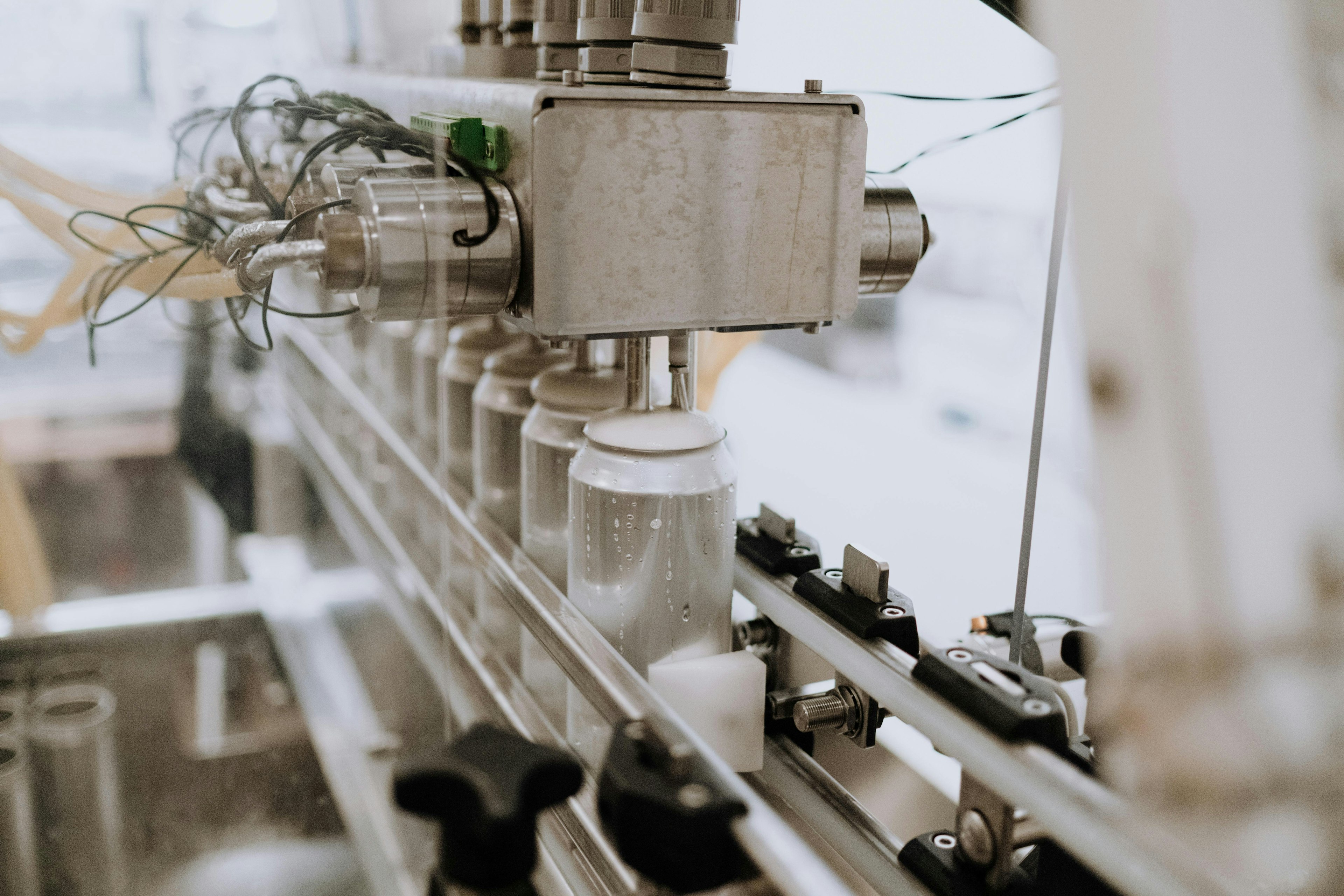
Food & beverage
One Odoo template across 14 Puratos production sites in four continents
Belgian family-owned ingredients manufacturer, 75 production units across 55 countries. Kept SAP at the largest sites; built one Odoo template for the smaller acquisitions.
- Financial services

Financial services
One Odoo backbone, from 100 to 36,000 leased bikes.
Cyclis Bike Lease grew from a four-founder startup in Hasselt to 36,000+ leased bikes. Dynapps replaced the founders’ DIY setup with a single Odoo platform that scales with the business.
- Laboratories
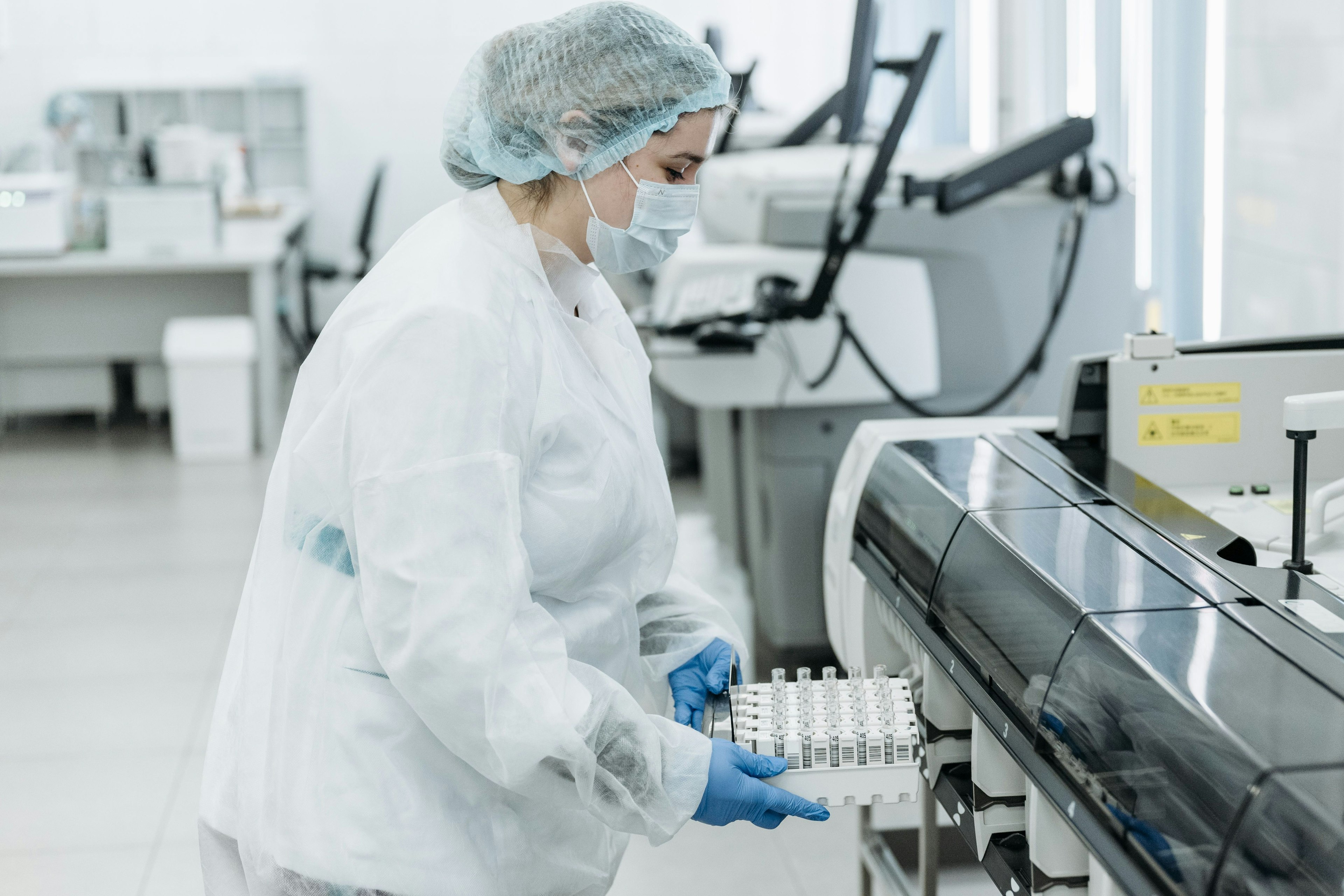
Laboratories
Seven specialised labs on one integrated Odoo and LIMS platform
Seven specialised lab departments across Oman, 65,000 samples a year. The group replaced a legacy LIMS and added an ERP on one integrated Odoo and LIMS platform in four months.
- Manufacturing
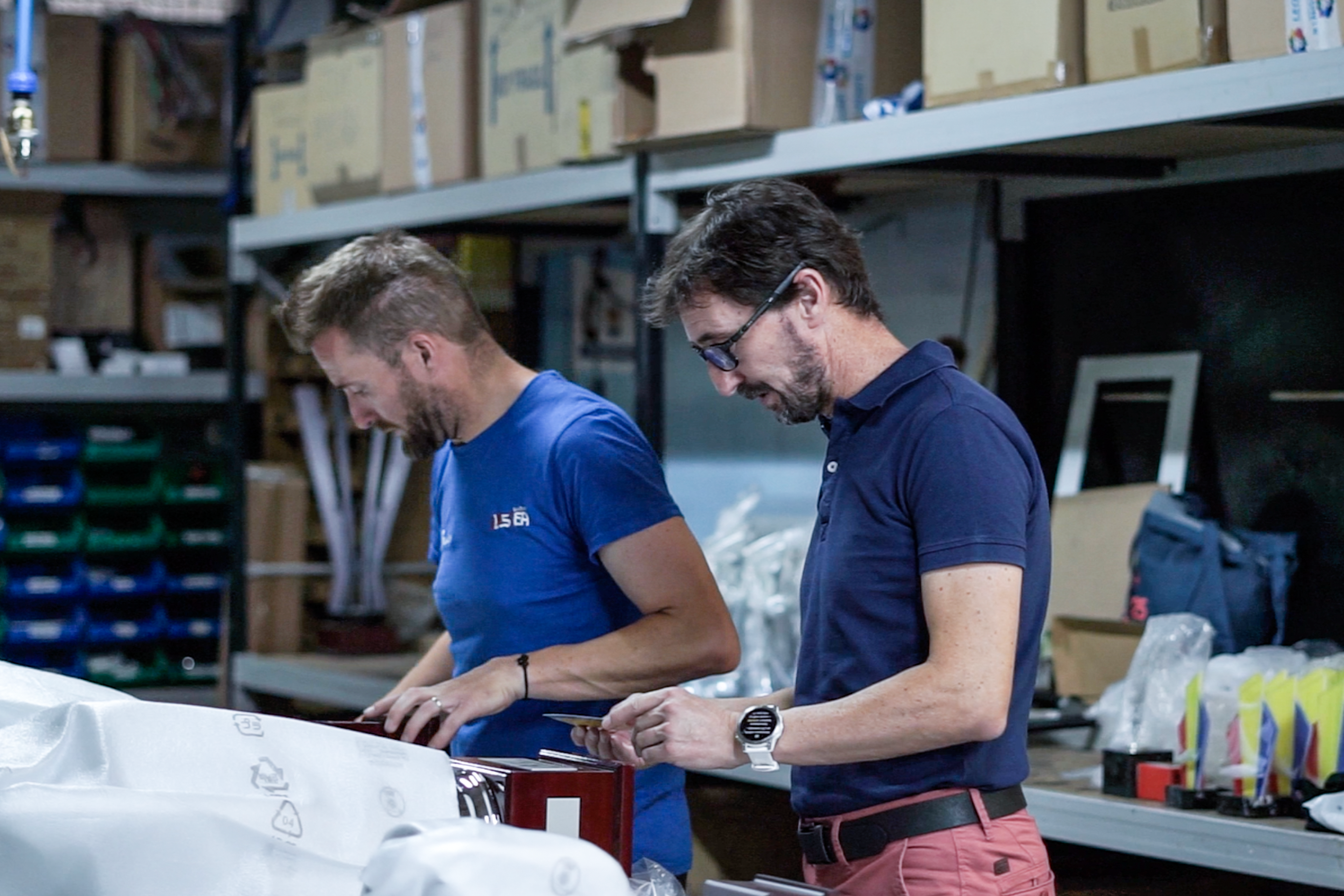
Manufacturing
From hundreds of scattered files to one screen per customer, how Todotrofeo rebuilt sales on Odoo
A family-run Spanish maker of personalised trophies and medals moved off a basic tool onto Odoo with Dynapps. One screen per customer now links enquiry, quote, order and artwork.
- Energy & utilities
Energy & utilities
Sensorfact replaced gut-feel purchasing with Odoo
Dutch climate-tech scale-up, 200+ people serving 1,600 industrial customers in 40 countries. Odoo replaced gut-feel purchasing with one system for purchase, inventory, accounting and sales in five months.