Odoo for manufacturers of spice blends, flavorings, and functional ingredients.
You produce semi-finished products that are further processed by another manufacturer, and each shipment must meet that customer’s specifications. Recipes that vary by customer, allergens on shared production lines, a certificate of analysis that must be included with every shipment, and a best-by date that guides your order picking process. We set all of this up in Odoo from day one, so that the platform can handle the audit and scale up when your order volume doubles.
Trusted by food manufacturers




Where you're getting stuck
Recipes, traceability, and shelf life—all in one place.
Recipes Tailored to Each Customer
One product, five customers, five specifications. In Odoo, the recipe is stored as a bill of materials with variants, so you don’t have to maintain five separate items. If a raw material changes, you can immediately see which recipes and which customers are affected.
Traceability the inspector trusts
Each batch of raw materials is assigned a lot number upon receipt and retains that number throughout production, packaging, and delivery—both upstream and downstream. A mock recall identifies the affected batches in minutes, not days.
Quality and durability built in
Checkpoints that block rather than provide guidance, lot-level quarantine, and expiration dates that drive the picking process. Expired inventory is blocked rather than sent to a customer.
What We Offer
From recipe to pallet.
Recipes and Variations
One product, five customers, five specifications. The recipe is listed as a bill of materials with variants, and the cost per batch is calculated based on the raw materials you use that day. If the price of cocoa or protein fluctuates, you’ll see that reflected in the batch immediately, rather than waiting until the end of the month.
Batch and Unloading Management
A lot number assigned upon receipt, which tracks the product through production, packaging, and delivery. Forward and backward traceability from raw material to pallet. A recall begins with a single query to the system rather than involving three people and an archive.
Certificate of Analysis (CoA) per batch
At your company, no shipment leaves without a certificate of analysis. The test results are linked to the batch, so the data for that certificate is already in the system by the time the batch is ready. With the LIMS add-on, the certificate is generated directly from those results, rather than someone having to compile it from emails and Excel files. Without LIMS, we create the document for you, using your layout and your parameters. That’s custom work.
Allergens on Shared Lines
Allergens are listed in the recipe itself, not in a separate list that someone has to keep track of. On a shared production line, you set up a quality control checkpoint that blocks the line until cleaning has been signed off. The person who clears the line is present during the process.
Shelf Life, Best Before Date, and FEFO
Expiration dates are specified at the lot level and automatically guide the picking process: first in, first out. Attempts to ship expired inventory are blocked rather than sent to a customer.
Quality Control
Checkpoints upon receipt, during processing, and on the finished product, linked to the batch. Whoever rejects a batch places it in quarantine, and the rest of the production line is notified. There is no separate quality file alongside the system.
Specification Management and Labeling
Labels and specification sheets are generated from the same data as the recipe. If an ingredient changes, the label changes accordingly—for each market and each customer.
EDI to retailers and industrial customers
Orders, shipments, and invoices—incoming and outgoing—exactly as your major customers require. We build the integrations you need and add new ones whenever you gain a new customer.
Your lab already knows. Your system doesn't yet.
For most manufacturers, analyses exist separately from the system. Samples are in an Excel file, results are in an email inbox, and specifications are in a folder organized by customer. With our LIMS add-on, all of that is stored in the same Odoo instance as your recipes, inventory, and invoicing.
You enter the sample request, the result is left to chance, and the certificate of analysis is generated. Specifications vary by customer and by contract, and the LIMS takes that into account. If you outsource your analyses, you import the results from your lab via EDI. After all, in practice, almost no one outsources everything.
What happens after you contact us.
Getting started with Dynapps follows a clear process. No ambiguities, no “black box.”
Discovery
We’ll assess your production, recipes, batch flows, shelf-life rules, and customer requirements. We’ll determine what fits within standard Odoo, what doesn’t, and what changes you’ll need to make to your own process. We’ll address the latter during the discovery phase, not during go-live.
Configuration
Formulas with variations, FEFO, batch and lot tracking, quality control points, certificates of analysis, and EDI—all tailored to how you actually work. Your consultant has done this before with ingredient and food manufacturers.
Go-Live and Training
We test using real recall drills, shift handoffs, and order patterns. Your operators receive training on their actual work, not on a demo database.
Continuous Improvement
New EDI partners, additional sites, new trends in your sub-segment. We’ll stay on board after the go-live.

Odoo is just like playing with an iPad. That's exactly what you need when you're going live in Kenya or Korea with a team that has never worked with an ERP system before.
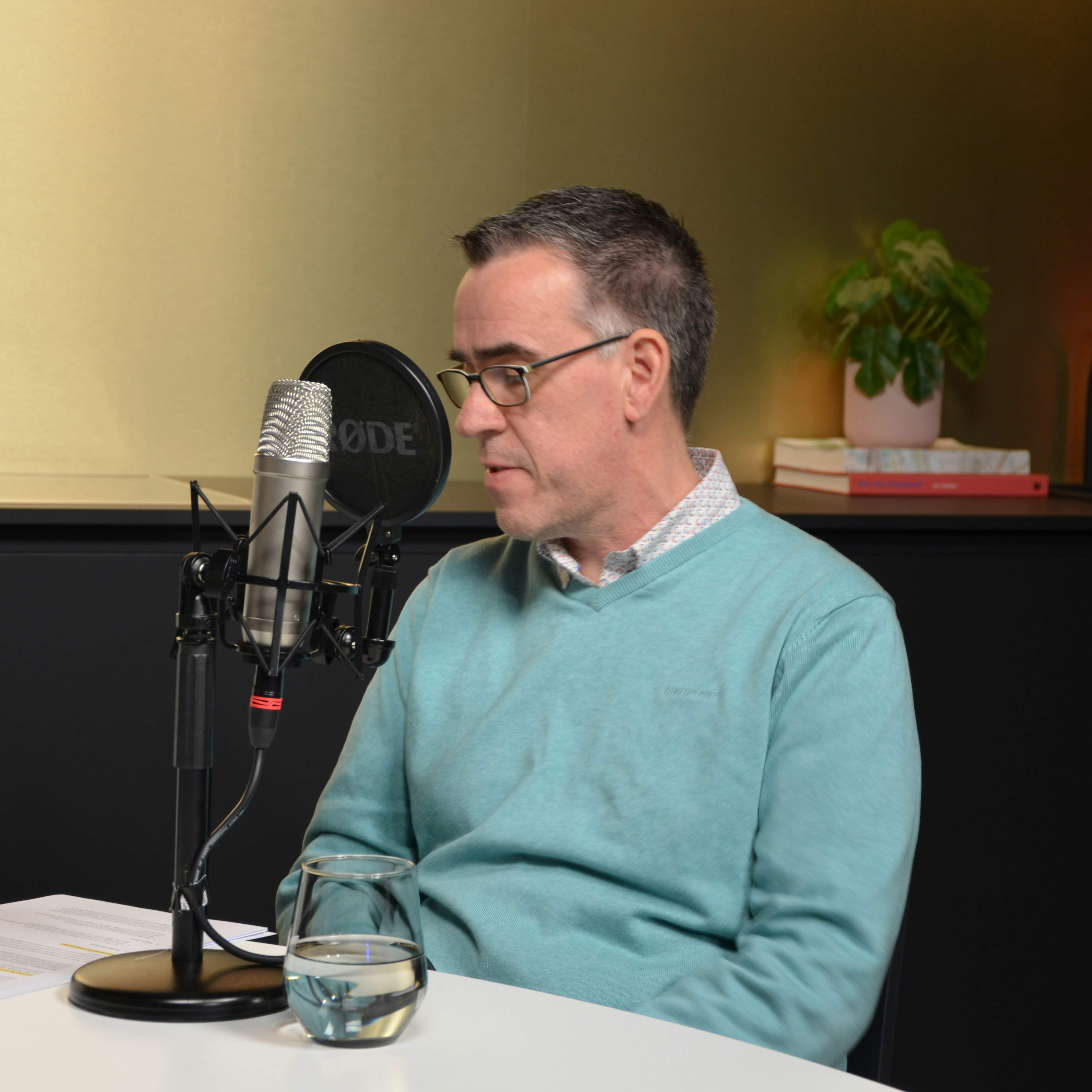
Luc Van Mulders
Regional Application Manager at PuratosAt a Glance
Dynapps by the Numbers.
Gold
Odoo Partner
50+
F&B References
900+
References Worldwide
280+
Odoo Experts
ISO 27001
certified
Challenges
The challenges we see most often.
Replacing the Legacy ERP System
The system that made the company successful is now holding it back. Exact or EBP, with spreadsheets on the side that no one dares to touch anymore.
Traceability and Recall Readiness
Genealogy in hours instead of days. Retailer audits and EU regulations are raising the bar every year.
Retailer and Clean Label Requirements
Private-label charters, reformulation, label versions tailored to each market, and specifications that vary by customer.
What producers ask of us.
Yes. Production, traceability, quality, and accounting are all on a single platform, with formula bills of materials, batch tracking, and quality control points included as standard features. What you add to that depends on your subsegment: certificates of analysis and customer-specific specification sheets are usually custom features built on top of the standard functionality.
Each batch received is assigned a lot number. That lot number is tracked through every processing step, every packaging step, and every shipment. Tracking backward takes you from a pallet at the raw material supplier’s facility; tracking forward takes you from a raw material lot to all customers who received it. A mock recall is a single search query.
As variants of a single recipe, not as separate items. You maintain the base recipe and the variations for each customer. If a raw material changes, you can see at a glance which variants and which customers are affected.
We record the measurement results by lot as standard, using quality control points. We also create the certificate—a document featuring your layout and your parameters. That’s custom work. We’d rather do that now than during the configuration process.
Expiration dates are specified at the lot level and govern the picking process: first in, first out. Anyone attempting to ship a lot that has expired will encounter a block.
Allergens are tied to the recipe and are therefore automatically included in the final product. For the production line itself, set up a control point that blocks the next production order until the cleaning has been signed off, with the name and time noted.
Partially—and we’d rather say that right away. Odoo covers work orders, backflush, quality control points, and shop floor recording. If you’re looking for a full-featured MES suite with machine integrations and real-time OEE, you’ll need to look elsewhere or integrate with other systems. During the discovery phase, we’ll determine which of the two you really need.
We’ll start with what’s actually happening today, not with what the old system is capable of. During the discovery phase, we identify which spreadsheets serve a real purpose and which ones are there simply because the system couldn’t handle them. We’ll implement the first group and discard the second.
Yes. In practice, almost no one outsources everything; there’s always some work that stays in-house. You upload the results from your external lab via EDI into the LIMS, so they're associated with your batch rather than in a mailbox. In addition, you can manage your specifications for each customer in one place, and the certificate of analysis is generated from the same data.
You don’t have to integrate anything. For us, the lab data is stored in the same Odoo instance as your production, inventory, and invoicing, so if a test result is rejected, the shipment is also halted. If you run only a lab, a standalone LIMS will suffice. If you both manufacture and test, you’ll benefit from a single system.
Ready to consolidate production onto a single platform?
First, we’ll listen to how you work today. Then, together, we’ll draw up a concrete plan that identifies the gaps.